Throughout history, women have been at the forefront of social change, using their voices and their actions to challenge injustice and campaign for equal rights. From the suffragettes who fought for the right to vote to today’s activists tackling issues such as climate change and systemic racism, women have played a critical role in shaping social movements. This article looks at the impact of women in activism and advocacy, highlighting the key figures and movements and the significance of their contributions to social change.
Historical context
The roots of women’s activism can be traced back to the early feminist movements of the 19th and early 20th centuries. Women such as Susan B. Anthony and Emmeline Pankhurst organised campaigns for suffrage, laying the groundwork for future generations. Their persistent efforts led to significant legal advances that gave women the right to vote in many parts of the world.
As the feminist movement evolved, so did the focus of women’s advocacy. The second wave of feminism in the 1960s and 1970s widened the conversation to include issues such as reproductive rights, workplace equality and domestic violence. Activists such as Betty Friedan and Gloria Steinem challenged traditional norms and pushed for systemic change.
Main areas of impact
Reproductive rights. Women have long campaigned for reproductive rights, seeking control over their own bodies and health decisions. The landmark Roe v. Wade case in the United States, decided in 1973, was a major victory for women’s rights activists. Organisations such as Planned Parenthood and the Center for Reproductive Rights continue to fight restrictions on reproductive health care, working to ensure that women have access to the services they need.
Social justice and racial equality. Women of colour have historically stood at the intersection of racial and gender issues, championing both civil rights and gender equality. Figures such as Rosa Parks and Angela Davis were central to the civil rights movement, stressing the need for a comprehensive justice that addressed both race and gender. Contemporary movements such as Black Lives Matter highlight the continuing need to fight for racial equality, with women like Alicia Garza and Patrisse Cullors playing key leadership roles.
Environmental advocacy. Women are increasingly leading the charge in environmental advocacy. Indigenous women, in particular, have been at the forefront of the climate justice movement, promoting sustainable practices and the protection of natural resources. Activists such as Greta Thunberg have mobilised young people around the world, stressing the importance of treating climate change as an urgent social issue.
LGBTQ+ rights. Women have been essential in advocating for LGBTQ+ rights, fighting for equality and campaigning for equal marriage rights. Activists such as Marsha P. Johnson and Sylvia Rivera were central to the Stonewall uprising, which ignited the modern LGBTQ+ rights movement. Today, women continue to push for wider acceptance and stronger legal protections for LGBTQ+ people.
Economic empowerment. Women have also led efforts to address economic inequality, campaigning for fair wages, workplace protections and opportunities for women in leadership. Organisations such as LeanIn, founded by Sheryl Sandberg, focus on empowering women in the workforce and tackling the systemic barriers to equality.
Modern activism
The rise of social media has transformed the landscape of advocacy, allowing women to organise quickly and amplify their voices on global platforms. Movements such as #MeToo and #TimesUp have galvanised millions of people, drawing attention to sexual harassment and violence. These movements have encouraged women to share their stories, demand accountability and start conversations about consent and respect.
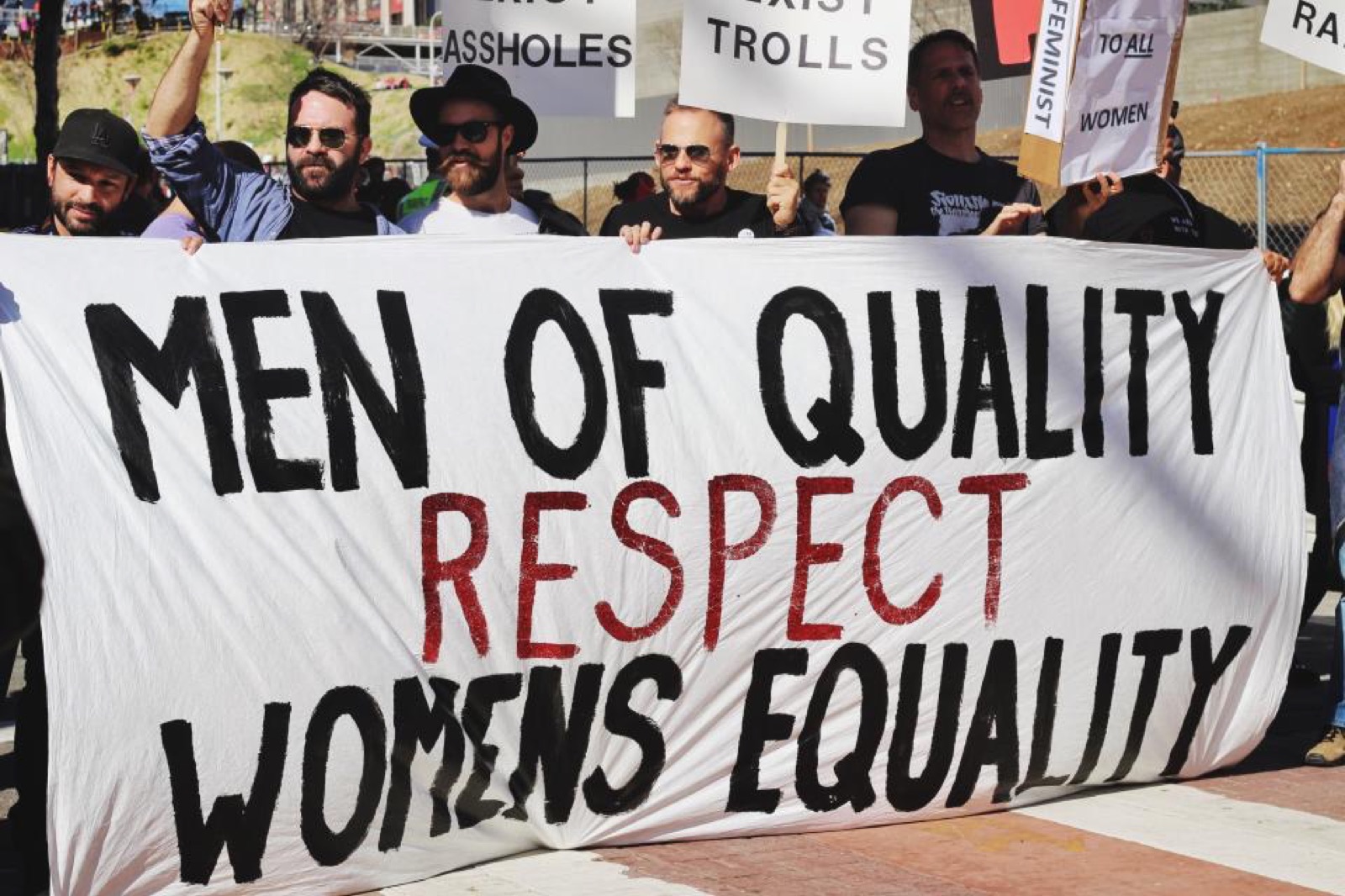
Grassroots organisations led by women are also emerging around the world, addressing local problems while contributing to broader movements. Initiatives such as the Women’s March and the global climate strikes show the power of collective action, uniting women across cultures and backgrounds in the pursuit of justice.
Obstacles faced by women in activism
Despite their significant contributions, women activists often face particular difficulties. Gender-based violence, intimidation and discrimination can hamper their efforts and create hostile environments. Women of colour, LGBTQ+ people and those from marginalised communities often encounter additional barriers, which makes their advocacy all the more vital, and all the more complex.
Women have always been powerful agents of social change, fighting for justice, equality and rights across many fields. Their activism and advocacy have reshaped societies and inspired generations to keep working for a fairer world. As we move forward, it is essential to support and amplify the voices of the women leading these movements, recognising their contributions and ensuring that their efforts result in meaningful and lasting change. By standing together in solidarity, we can create a future where equality and justice are not just ideals but realities for all.