Women in rural India face a distinct set of challenges compared with their urban counterparts, shaped by the intersection of socio-economic, cultural and geographical factors. Despite significant progress in recent years, rural women continue to struggle with limited access to education, health care, economic opportunities and basic rights. However, a growing movement towards empowerment has begun to challenge these barriers, driven by government initiatives, grassroots organisations and the increasing participation of women in decision-making.
Challenges faced by rural women
Limited access to education
One of the most critical challenges facing women in rural India is the lack of access to quality education. Although India has made considerable strides in improving enrolment, girls in rural areas often drop out because of social pressures, early marriage or the need to contribute to household labour. According to the National Sample Survey Office (NSSO), dropout rates for girls in rural India remain higher than in urban areas, particularly at the secondary and higher education levels. Cultural norms that prioritise boys’ education over girls’, combined with inadequate school infrastructure, such as the lack of toilets for girls, continue to hinder their educational attainment.
Education is the foundation of empowerment, and without it rural women are deprived of the knowledge and skills needed for personal growth, employment and participation in public life. This cycle of limited education perpetuates gender inequality, making it harder for women to escape poverty and achieve independence.
Health care and reproductive rights
Access to health care in rural India is a significant concern for women, particularly in the areas of maternal and reproductive health. Rural women often face long distances to health facilities, inadequate medical staff and poor infrastructure. In addition, a lack of awareness and education on reproductive health leads to high rates of maternal mortality, infant mortality and malnutrition.
Moreover, women in rural areas have limited control over their reproductive choices because of social expectations and the pressure to bear children, particularly male children. This lack of autonomy over their own bodies is a major barrier to their empowerment and wellbeing. Family planning services, although available, are under-used because of social stigma, lack of awareness and resistance from male family members.
Economic dependence and limited employment opportunities
Economic empowerment is a crucial part of overall empowerment, yet women in rural India often remain financially dependent on their male counterparts. Agricultural labour is the primary source of income in rural areas, and women make up a large share of the agricultural workforce. However, they are frequently unpaid or underpaid for their work, with limited access to land ownership, credit and financial services.
Traditional gender roles often confine women to unpaid domestic labour, which is neither recognised nor rewarded economically. Women in rural India also face limited opportunities for formal employment or entrepreneurship, particularly in male-dominated sectors. Their economic dependence restricts their ability to make decisions, both within their households and in the wider community.
Social norms and gender-based violence
Deeply entrenched patriarchal norms in rural India perpetuate gender inequality and discrimination. Women are often expected to conform to the traditional roles of caretaker and homemaker, limiting their participation in public life. Early marriage, dowry practices and restrictions on mobility further undermine their rights and opportunities.
Gender-based violence, including domestic violence, sexual harassment and honour killings, remains a significant problem in rural India. The lack of legal awareness, social support and accessible justice systems makes it difficult for women to report or escape such violence. Fear of social ostracism often silences victims, perpetuating a culture of impunity.
Progress in empowering rural women
Despite these challenges, significant progress has been made in empowering women in rural India. Government initiatives, grassroots movements and non-governmental organisations (NGOs) have all played a pivotal role in advancing women’s rights and improving their quality of life.
Government programs and policies
The Indian government has launched several initiatives aimed at empowering rural women. Programs such as Beti Bachao Beti Padhao (Save the Girl Child, Educate the Girl Child) promote the education and survival of girls, while the Pradhan Mantri Jan Dhan Yojana encourages financial inclusion by providing bank accounts for women. The National Rural Livelihoods Mission (NRLM) supports self-help groups (SHGs) that enable women to access credit, start small businesses and improve their economic standing.
The Mahila Shakti Kendra (MSK) scheme focuses on providing skill development and employment opportunities for women in rural areas, while the Swachh Bharat Mission has improved sanitation infrastructure, contributing to better health outcomes for women and girls.
Self-help groups and microfinance
One of the most significant developments in the empowerment of rural women has been the rise of self-help groups (SHGs). These groups bring together women from rural communities to pool their savings, access microloans and support one another in starting small enterprises. SHGs have proved effective in fostering economic independence, building confidence and promoting leadership among women.
By giving rural women access to credit and financial services, SHGs have allowed them to take up income-generating activities, from agriculture and handicrafts to small-scale retail. In many regions, SHGs have also become platforms for women to discuss issues such as health, education and social injustice, further enhancing their role in community development.
Increased political participation
India’s Panchayati Raj system, which reserves one-third of the seats in local governance bodies for women, has led to greater political participation among rural women. This reservation policy has allowed women to take leadership roles in their communities, making decisions that directly affect local development, infrastructure and services.
Although many women initially faced resistance in taking up these roles, their participation has challenged traditional gender norms and shown that women can be effective leaders. Studies have found that women-led panchayats often prioritise issues such as water supply, sanitation and health, areas that have a direct impact on women’s lives.
Education and awareness campaigns
Awareness campaigns on women’s rights, health care and gender equality have been instrumental in changing attitudes in rural areas. NGOs and government programs work together to educate rural women about their legal rights, their access to health services and the importance of education for their children. These initiatives are gradually breaking down cultural barriers and creating a more supportive environment for women’s empowerment.
Empowering women in rural India remains a complex challenge, but significant progress has been made in recent years. Government initiatives, the growth of self-help groups and increasing political participation have all contributed to the slow but steady improvement in the lives of rural women. While social and cultural barriers still exist, the path towards gender equality in rural India is being paved by the tireless efforts of women who are breaking free from traditional constraints and shaping their own futures. Empowering these women is crucial not only for their own wellbeing but also for the broader socio-economic development of India.
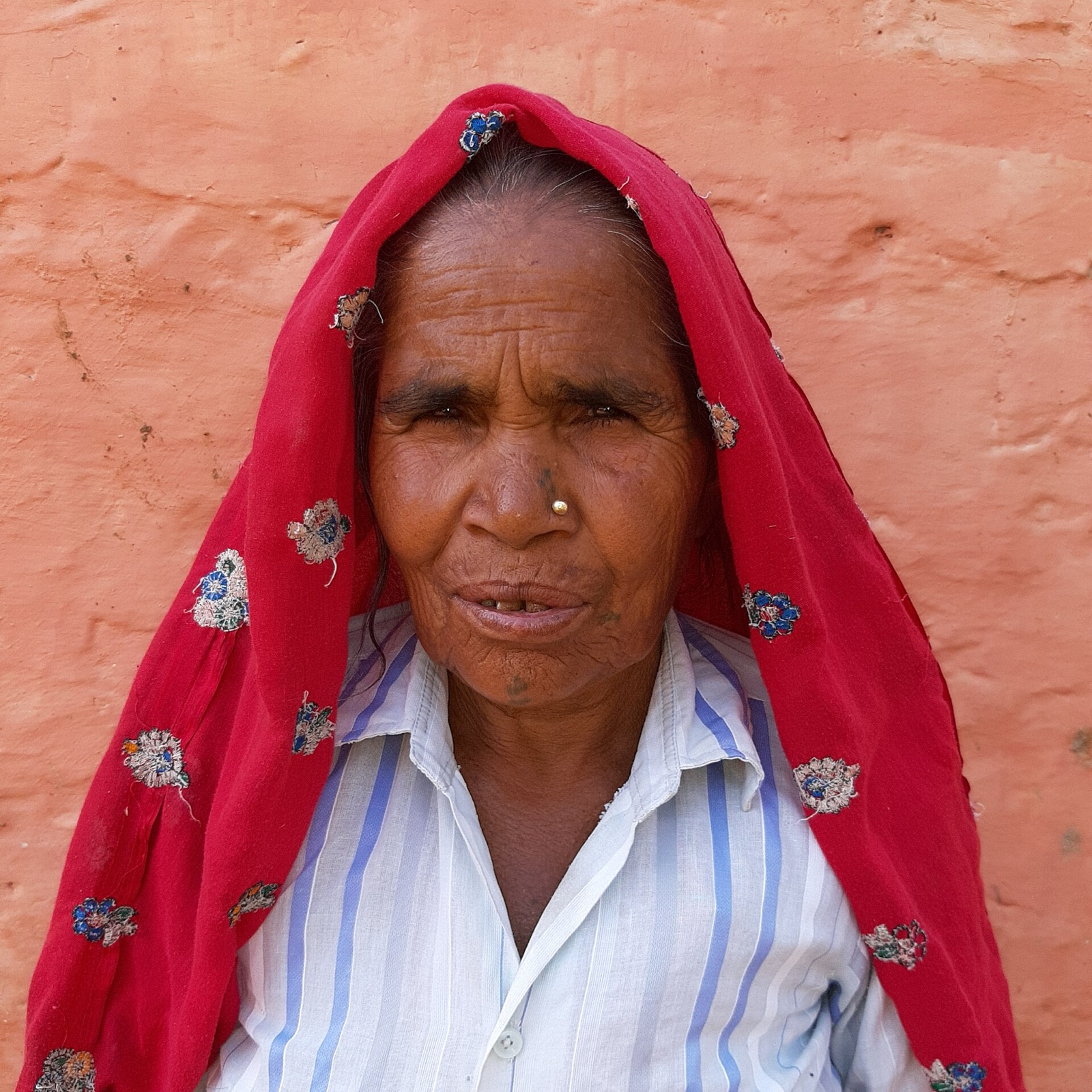
\nFeatured image: Pappu Ram Meena, Wikimedia Commons, CC BY-SA 4.0
\n