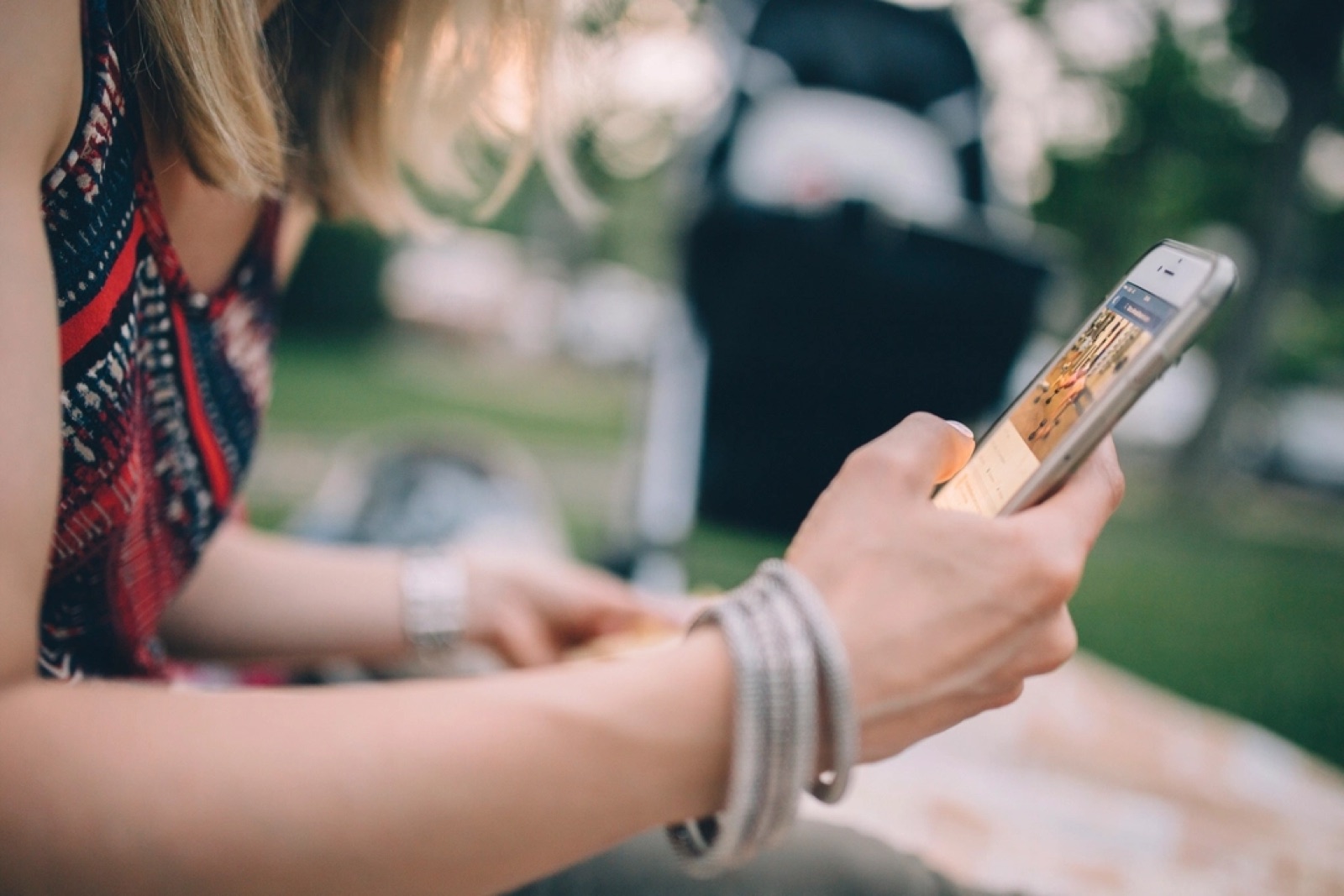
In recent years, social media has become a powerful tool for change, especially in the field of women’s empowerment. Platforms such as Instagram, Twitter, Facebook and TikTok have not only connected people across the world but have also provided a stage for voices that have long been pushed to the sidelines. From raising awareness about gender inequality to building communities of support, social media is changing the landscape of women’s rights and empowerment in significant ways.
Amplifying voices
One of the most significant effects of social media on women’s empowerment is its ability to amplify voices. Women who may previously have felt silenced are now able to share their stories, experiences and insights with a much wider audience. Hashtags such as #MeToo and #TimesUp have sparked global conversations about sexual harassment and assault, enabling countless women to share their stories and seek justice. These movements have not only raised awareness but have also led to real changes in policies and workplace cultures.
Social media allows women to connect with others who have had similar experiences, creating a sense of community and solidarity. By sharing personal stories, women can find validation and support, which reduces feelings of isolation. This sense of belonging is essential for empowerment, as it encourages women to speak up and advocate for their rights.
Education and awareness
Social media serves as an educational platform, offering access to information that might not be readily available elsewhere. Women can learn about their rights, health issues and financial literacy through a variety of channels. Influencers, activists and organisations use social media to share informative content, from infographics to live discussions, making complex topics accessible and engaging.
For example, platforms such as Instagram have seen a rise in accounts dedicated to educating women about reproductive rights, mental health and professional development. These resources empower women to make informed decisions about their lives, boosting their confidence and independence. By sharing knowledge widely, social media plays a crucial role in equipping women with the tools they need to advocate for themselves.
Encouraging activism
Social media has democratised activism, making it easier for women to take part in social justice movements. With just a few clicks, people can join campaigns, share petitions and mobilise support for the causes they care about. This grassroots activism has led to real change, from local initiatives to global movements.
One example is the Women’s March, which gained momentum through social media platforms. The event brought millions of women and their allies together to advocate on a range of issues, including reproductive rights, equal pay and racial justice. The ability to organise and promote events quickly and effectively through social media has empowered women to take action and demand change.
Fostering entrepreneurial spirit
Social media is also changing the landscape for women entrepreneurs. Platforms such as Instagram and Pinterest serve as vital marketing tools, allowing women to showcase their products and services to a global audience. This accessibility lowers the traditional barriers to entry, such as high advertising costs and limited reach.
In addition, social media provides a space for women to share their business journeys, offering inspiration and practical advice to others looking to start their own ventures. Online communities dedicated to women entrepreneurs foster collaboration and mentoring, encouraging women to support one another in their professional endeavours. As a result, social media is not only empowering women to pursue their passions but also helping to close the gender gap in entrepreneurship.
Addressing mental health and wellbeing
The conversation around mental health has gained prominence on social media, with many women sharing their struggles and their triumphs. This openness helps to destigmatise mental health issues and encourages women to prioritise their wellbeing. Support groups and mental health advocates use social media to provide resources and encouragement, making it easier for women to seek help.
Platforms also offer a space for self-expression, allowing women to share their art, poetry and personal reflections. This creative outlet can be therapeutic and empowering, helping women to reclaim their own narratives and build resilience.
Challenges and criticisms
While social media has undoubtedly transformed women’s empowerment, it is not without its challenges. Problems such as cyberbullying, harassment and the pressure to maintain a curated online persona can harm mental health. Moreover, the spread of misinformation can produce harmful narratives that undermine genuine progress.
Nevertheless, it is important to recognise that the positive effects of social media on women’s empowerment often outweigh these challenges. By promoting awareness, education and community, social media continues to be a catalyst for change.
Social media is transforming the landscape of women’s empowerment in profound ways. By amplifying voices, providing educational resources, encouraging activism and fostering entrepreneurship, these platforms are redefining how women connect, advocate and thrive. As we move forward, it is crucial to harness the positive potential of social media while addressing its challenges, ensuring that it remains a powerful ally in the fight for gender equality and women’s empowerment.