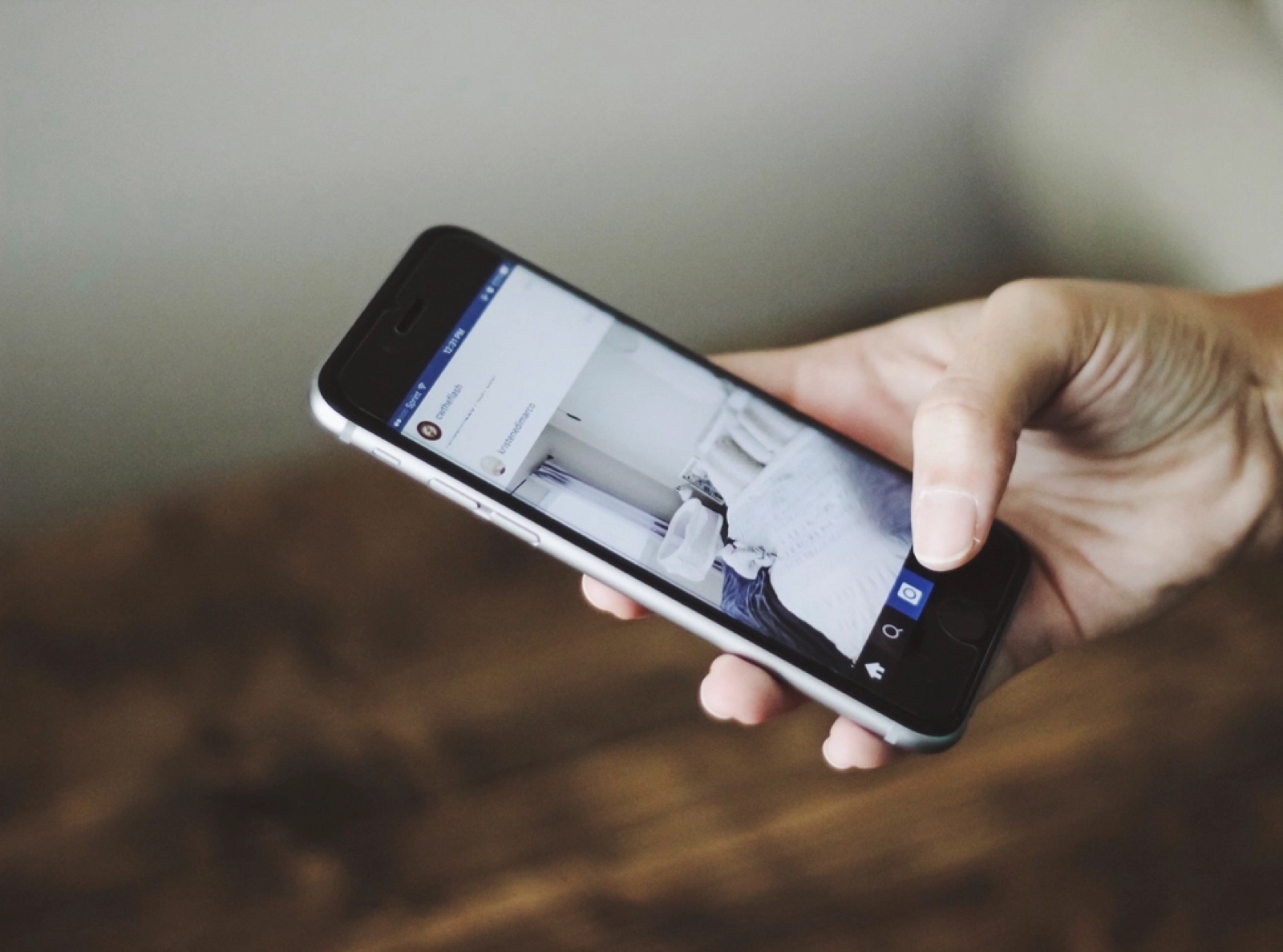
Social media allows people to communicate easily and to share with others in their social circle. Today’s apps, including Facebook, Instagram, Twitter and TikTok, have changed the way people connect with others all over the world in real time, and with it the way they understand the world and themselves. Yet despite its benefits, social media’s effects have raised serious concern about mental health. Research has consistently linked heavy social media use to worsening anxiety disorders, depression and loneliness. This article looks at the trends that research has identified and puts forward possible solutions.
The rise of social media and its psychological impact
Social networks are vast and increasingly popular with young people. Current statistics show that social media users worldwide number more than 4.7 billion, with daily active use averaging about 2.5 hours. While this connectivity has brought real social gains, it has also come with certain psychological costs.
1. Social comparison and self-esteem
Perhaps the most common problem social networking sites cause is social comparison. Apps such as Instagram and TikTok, which package content into visual snippets, invite users to constantly compare their lives with the images presented online. Such comparisons breed feelings of inadequacy, as people come to believe their lives are boring, unproductive or not as glamorous as those of their friends and followers.
This effect is felt particularly by teenagers and young people, because of peer pressure and the need to feel accepted. A study of adolescents in 2019 found that regular use of social networks harms young people’s self-esteem, leads to dissatisfaction with their bodies and increases symptoms of depression. The urge to present a better image of themselves on social media brings with it unrealistic goals, which only deepen feelings of inadequacy and lead to mental instability.
2. Fear of missing out (FOMO)
FOMO is another psychological issue that social networks feed. People see real-time updates on what others are doing, from parties and travel to promotions at work. These updates can leave a person feeling they are missing out on some exciting and enjoyable experience. FOMO has been linked to high levels of anxiety and dissatisfaction with life, as people measure themselves against social norms or the standards they set for themselves and find themselves lagging behind.
FOMO can also lead to social media addiction, as people feel they must constantly keep up with events on the accounts they follow, with damaging effects on mental health.
3. Cyberbullying and online harassment
Despite the connection they foster, social networking sites are a gateway to cyberbullying and online harassment, particularly among teenagers. The internet offers anonymity, so people lose the natural restraint that would stop them posting rumours, insults or threats. Cyberbullying is widespread and an ever-growing problem, especially for the young, and its consequences range from severe emotional suffering, such as depression and anxiety, through to thoughts of suicide.
The harm caused by online harassment is made worse by the victim’s lack of control over what is shared online, and by the fact that material can go viral. Because social media is always active, the victim may come across the abusive comments or images at any time, and the psychological trauma can last a long time.
4. Addiction and overuse
Another way social networking sites affect psychological wellbeing is through dependence. Social networks are built to keep users on them for as long as possible: notifications, likes and the posts that appear on the main feed all serve this goal. This can lead to addictive use, in which account owners feel compelled to log in frequently, even when it serves no purpose in their lives.
Excessive social media use has been linked to negative internal states such as poorer and shorter sleep, stress, and reduced concentration and productivity. At the same time, intensive use of social networks can lead to addiction; real physical contact is lost, and loneliness and depression deepen.
Strategies for addressing the effects of social media on mental health
Despite the research showing social media’s influence on mental health, there are several measures that people, families and organisations can take to reduce the harm and encourage healthier use of social media.
1. Digital literacy and awareness
An informed public that understands what can go wrong when using social media is halfway to solving the problem. Schools and parents can help children avoid the common traps of social networks, show them how different the online world is from the real one, and help them learn the benefits and drawbacks of online and offline interaction. Awareness campaigns about the signs of social media addiction, FOMO and cyberbullying would help users change their behaviour by making them aware of the risks they are exposed to.
2. Mindful social media use
People can stay active on these platforms if they use social media mindfully. This means, first, being conscious of how much time is spent actively on social media, and second, being aware of why it is being used. To avoid adverse effects, setting time limits, not scrolling through the feed without focusing on particular posts, and choosing what content to view can all reduce endless use of the apps.
Users can also choose whose posts they see on their feed and remove those who spread negativity or promote an impossibly thin body image. In turn this makes it easier for anyone who takes part in online discussions or uploads material to feel less overwhelmed or discouraged.
3. Building offline connections
Among the ways of managing the influence of social networks on the individual, one of the most effective is encouraging offline interaction. Spending time with people face to face, pursuing hobbies and exercising mean people do not have to turn to the online world to validate how they are feeling. Real-world connection is recognised as one of the most effective barriers against the development of mental health problems.
4. Mental health services and information
For social media users who notice its negative effects, seeking professional help is advised. A large number of clinicians now describe themselves as social media addiction therapists, or counsellors with expertise in anxiety or depression. Some social media platforms are also building in features and resources aimed at improving mental health, encouraging users to look after their psychological state, providing time management tools, and even offering helplines in case of warning signs that a user’s condition is worsening.
Conclusion
Social media has become an integral part of modern society, but its widespread use has led to growing concerns about its impact on mental health. From social comparison and FOMO to addiction and cyberbullying, the psychological effects of these platforms are complex and far-reaching. However, by promoting digital literacy, encouraging mindful use and fostering real-life connections, people and society can reduce the negative effects of social media and promote a healthier online experience.
As our digital landscape continues to evolve, it is crucial to find a balance between the benefits of social media and the wellbeing of its users.