In an era marked by rapid technological advances and growing environmental concerns, the role of innovation incubators in promoting sustainable technologies has become increasingly important. These incubators serve as nurturing grounds for green technology start-ups, providing the resources, mentorship and networking opportunities needed to turn innovative ideas into practical, impactful solutions. By fostering the development of sustainable technologies, innovation incubators are not only driving economic growth but also contributing significantly to global sustainability goals.
Supporting green technology start-ups
Innovation incubators offer an ideal environment for green technology start-ups to flourish. They provide a range of support services tailored to the particular needs of environmentally focused entrepreneurs. Key among these services is access to funding. Green technology start-ups often need significant initial capital to develop and test their technologies. Incubators connect start-ups with investors who are specifically interested in sustainable innovation, opening up access to seed funding, venture capital and grants.
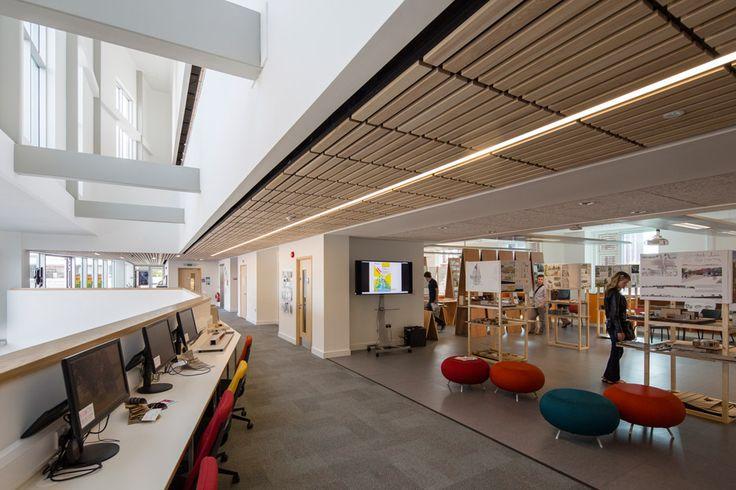
Incubators also give start-ups access to state-of-the-art facilities and equipment. This is especially important for green technology start-ups, which often need specialised equipment and laboratories to develop and refine their products. By offering shared facilities, incubators reduce the financial burden on start-ups and allow them to concentrate their resources on innovation and development.
Mentorship and expertise
One of the most valuable assets an innovation incubator provides is mentorship. Incubators connect start-ups with experienced mentors who offer guidance on many aspects of business development, from refining business models to navigating regulatory landscapes. For green technology start-ups, mentorship is particularly important, as the path to commercialisation often involves overcoming complex technical and regulatory challenges.
Mentors with expertise in sustainability can help start-ups understand the environmental impact of their technologies and identify opportunities for improvement. They can also offer insight into market trends and consumer preferences, helping start-ups position their products effectively in the market. This combination of technical and business mentoring accelerates the growth of green technology start-ups and improves their chances of success.
Networking and collaboration
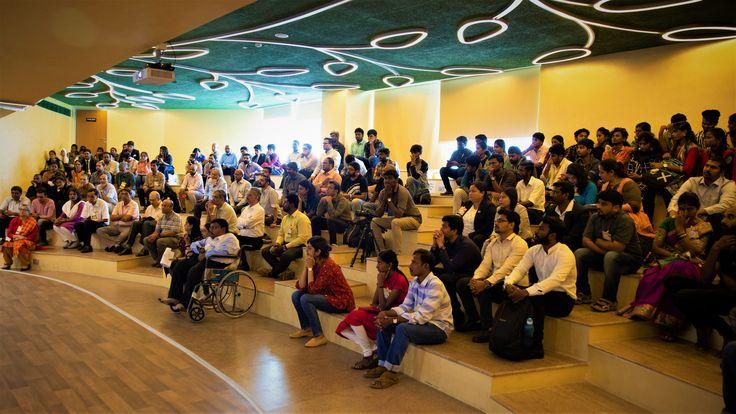
Innovation incubators foster a collaborative environment that encourages networking and knowledge sharing among start-ups. This is especially useful for green technology start-ups, since collaboration can lead to integrated solutions that address several sustainability challenges at once. Incubators often organise networking events, workshops and conferences, giving start-ups opportunities to connect with potential partners, customers and industry experts.
Many incubators also build partnerships with universities, research and development institutions and corporations. These partnerships give start-ups access to cutting-edge research, advanced technologies and potential customers. For example, a green technology start-up developing a new energy-efficient product might work with a university on research and testing while at the same time partnering with a corporation to pilot the product in real-world applications. Such collaborations speed up the innovation process and improve the likelihood of successful commercialisation.
Driving sustainability goals
Innovation incubators play a vital role in driving global sustainability goals by supporting the development and deployment of green technologies. Start-ups incubated in these environments are working on a diverse range of solutions, from renewable energy and energy efficiency to waste management and sustainable agriculture. By nurturing these innovations, incubators contribute to the achievement of several United Nations Sustainable Development Goals (SDGs), including affordable and clean energy (SDG 7), industry, innovation and infrastructure (SDG 9) and responsible consumption and production (SDG 12).
Incubators also often stress the importance of sustainable business practices among their start-ups. They encourage the adoption of environmentally friendly processes and materials, and the integration of sustainability into business strategy. This holistic approach ensures that start-ups are not only developing sustainable technologies but also operating in a way that minimises their environmental footprint.
Case studies and success stories
Several innovation incubators have successfully nurtured green technology start-ups that have made substantial contributions to sustainability. For example, Greentown Labs, one of the largest cleantech incubators in the United States, has supported over 300 start-ups working on a wide range of sustainable technologies. These start-ups have collectively raised over $1 billion in funding and created hundreds of jobs. Innovations emerging from Greentown Labs include advances in renewable energy, energy storage and sustainable agriculture.
Similarly, the European incubator Climate-KIC has played a key role in promoting climate innovation. By supporting start-ups with innovative solutions to climate change, Climate-KIC has helped to reduce greenhouse gas emissions and promote sustainable development across Europe.
Innovation incubators are essential to promoting sustainable technologies. By giving green technology start-ups the resources, mentorship and collaborative opportunities they need, these incubators accelerate the development and commercialisation of innovations that address pressing environmental challenges. As the world continues to grapple with the effects of climate change and resource depletion, the role of innovation incubators in promoting sustainable technologies will only become more important. Through their efforts, these incubators are not just driving economic growth but also ushering in a more sustainable future.