Women with disabilities face unique and compounded challenges in many aspects of life, experiencing both gender-based discrimination and the stigma associated with disability. In every society, they are often marginalised, excluded, and disproportionately affected by poverty, violence and lack of access to basic services. While awareness of disability rights has increased globally, women with disabilities continue to be one of the most vulnerable and overlooked groups. This article explores the many challenges they encounter, including social, economic, health-related and legal barriers, and emphasises the need for inclusive approaches to address their needs.
1. Social stigma and discrimination
Women with disabilities often face intense social stigma that affects their ability to participate fully in society. Negative perceptions about disability, combined with traditional gender roles, can lead to their exclusion from education, employment and community life. In many cultures, people with disabilities, especially women, are perceived as burdens or as incapable of contributing meaningfully to society. These stereotypes perpetuate isolation and marginalisation.
For instance, many families may hide or neglect disabled women for fear of social judgement. In some cultures, disabilities are associated with superstition or seen as a form of divine punishment, further isolating women from public life and perpetuating shame and invisibility. This social marginalisation can also affect disabled women’s mental health, leading to problems such as depression and anxiety, which often go unaddressed.
2. Limited access to education
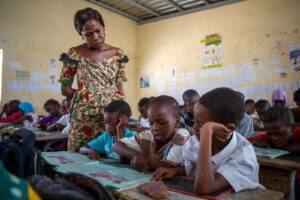
Access to education is a significant challenge for women with disabilities. According to UNESCO, girls and women with disabilities are less likely to attend school than their male counterparts or non-disabled peers. This lack of access to education results in fewer opportunities for employment, personal development and independence.
In many developing countries, schools are not equipped to accommodate students with disabilities, whether because of physical infrastructure limitations, a lack of accessible learning materials, or insufficiently trained teachers. In addition, cultural beliefs that prioritise the education of boys over girls, combined with the perception that women with disabilities have limited potential, further reduce their chances of receiving an education. The absence of inclusive education perpetuates the cycle of poverty and dependency, leaving disabled women without the tools to advocate for themselves or improve their circumstances.
3. Economic inequality and unemployment
Women with disabilities face significant economic disadvantages, struggling to find and keep employment. The World Bank estimates that persons with disabilities are more likely to live in poverty because of limited access to income-generating opportunities. For women with disabilities, this challenge is heightened by gender-based economic inequality.
Employment discrimination is widespread, with many employers reluctant to hire women with disabilities because of misconceptions about their abilities or the cost of accommodating them. Even when they are employed, disabled women often earn less than their non-disabled and male counterparts. They are typically offered low-paid, insecure jobs, reinforcing economic dependence and reducing their ability to break free from poverty.
In addition to unemployment, disabled women often lack access to vocational training programs that could improve their employability. Economic programs aimed at empowering women often overlook those with disabilities, leaving them without support in breaking down economic barriers.
4. Barriers to health care
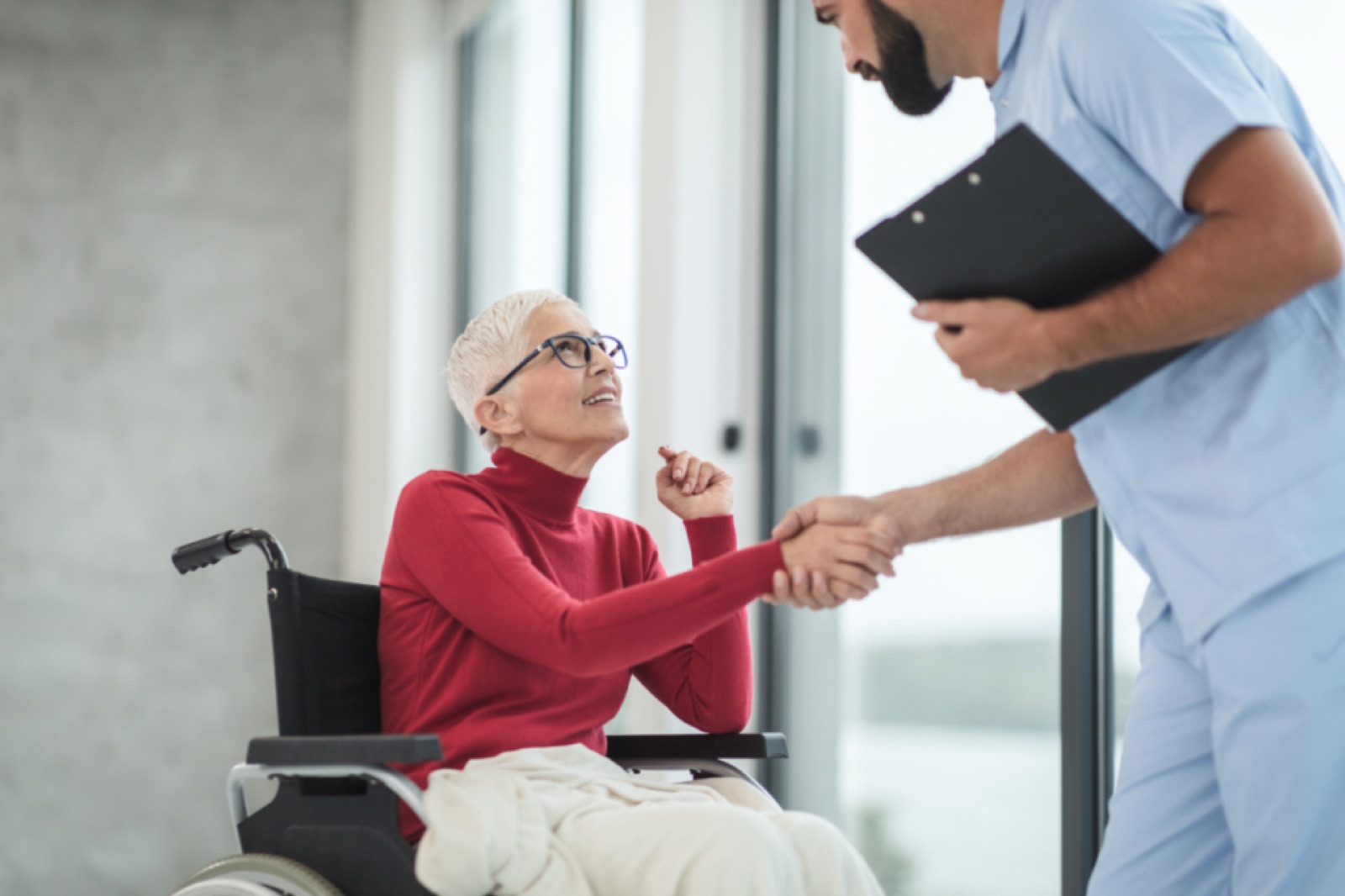
Access to adequate health care is another major challenge for women with disabilities. Many face physical, financial and communication barriers when trying to access medical services, especially reproductive and maternal health care. Health care facilities may lack the necessary accommodations for women with physical disabilities, such as ramps, accessible examination tables or assistive technologies.
Moreover, women with disabilities are often denied their reproductive rights. Medical professionals may assume that disabled women are uninterested in or unable to have children, and may dismiss their needs when it comes to family planning, prenatal care or sexual health. In some cases, they may even be subjected to forced sterilisation, a violation of their bodily autonomy.
Mental health care is another area where women with disabilities face significant obstacles. The stigmatisation of both mental illness and disability, along with a lack of trained professionals and accessible services, means that many disabled women do not receive the support they need.
5. Increased risk of gender-based violence
Women with disabilities are at a higher risk of experiencing gender-based violence than non-disabled women. Research shows that they are more likely to face physical, sexual and emotional abuse, often from family members, caregivers or intimate partners. This heightened vulnerability stems from several factors, including their social isolation, dependence on others for care, and the perception that they are powerless or less likely to report abuse.
In many cases, women with disabilities lack access to justice and support systems when they experience violence. Law enforcement agencies, legal services and shelters are often inaccessible, both physically and in terms of communication. Women with intellectual or sensory disabilities, in particular, face additional challenges in reporting abuse and being taken seriously by the authorities.
The intersection of gender, disability and violence creates a situation where women with disabilities are not only more vulnerable to abuse but also face more barriers to escaping it.
6. Legal and policy gaps
Despite global efforts to protect the rights of people with disabilities, legal systems in many countries are still inadequate when it comes to addressing the specific needs of women with disabilities. While there are international frameworks, such as the United Nations Convention on the Rights of Persons with Disabilities (CRPD), that promote the rights of people with disabilities, their implementation on the ground often falls short.
In many countries, laws on disability rights and gender equality exist, but they are not effectively enforced, leaving women with disabilities without the legal protections they need. For example, in some regions, disabled women may be denied the right to own property, marry, or make decisions about their own lives.
Furthermore, policies aimed at gender equality or disability rights often do not take an intersectional approach, neglecting the unique challenges faced by women with disabilities. Without targeted interventions, these women are left on the fringes of both gender and disability advocacy efforts.
7. Lack of representation and advocacy
Women with disabilities are often under-represented in leadership positions, advocacy groups and decision-making processes. This lack of representation limits their ability to influence the policies that affect their lives. In many disability rights organisations, leadership roles are predominantly held by men, and women’s specific needs are often overlooked.
Similarly, women’s rights movements may not prioritise the issues facing women with disabilities, leading to a gap in advocacy for their rights. The absence of disabled women’s voices in these spaces perpetuates their marginalisation and the lack of tailored solutions to their problems.
Women with disabilities face an intersection of challenges, including social stigma, limited access to education, economic inequality, barriers to health care and increased vulnerability to violence. These issues are made worse by legal and policy gaps and by a lack of representation in advocacy efforts. Addressing these challenges requires a holistic approach that considers the intersectionality of gender and disability, ensuring that disabled women are included in efforts to promote equality and human rights.
Governments, organisations and communities must work together to create inclusive policies, accessible services and supportive environments that empower women with disabilities. Only then can we achieve a world where women with disabilities have equal opportunities to thrive, participate and lead fulfilling lives.