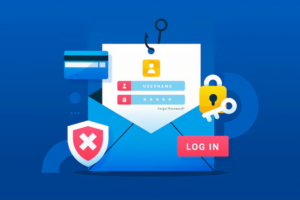
In our increasingly digital world, data breaches have become a common but worrying occurrence. They can have devastating effects on individuals and organisations alike, leading to financial loss, reputational damage and legal consequences. Understanding what data breaches are and how to prevent them is essential for protecting the security and privacy of sensitive information. This article looks at the nature of data breaches and offers practical steps to guard against them.
What is a data breach?
A data breach occurs when unauthorised individuals gain access to confidential, sensitive or protected information. This can involve personal data, financial records, intellectual property and other critical information. Breaches happen for many reasons, including cyberattacks, insider threats, human error and inadequate security measures.
Common causes of data breaches
- Cyberattacks. Cybercriminals use techniques such as phishing, malware, ransomware and brute-force attacks to break into systems and steal data.
- Insider threats. Employees, contractors or other insiders with access to sensitive information can cause breaches, deliberately or by accident. Disgruntled employees and poorly trained staff pose significant risks.
- Human error. Mistakes such as sending sensitive information to the wrong recipient, misconfiguring databases or failing to update software can lead to breaches.
- Weak security practices. Inadequate measures such as weak passwords, a lack of encryption and poor network security make it easier for attackers to reach data.
Consequences of data breaches
- Financial loss. Organisations may face significant costs from regulatory fines, legal fees and compensation to affected individuals.
- Reputational damage. A breach can severely harm an organisation’s reputation, leading to a loss of trust and customers.
- Legal and regulatory consequences. Organisations may face lawsuits and regulatory penalties for failing to protect sensitive data.
- Operational disruption. Breaches can disrupt business operations, causing downtime and lost productivity.
How to prevent data breaches
Prevention requires a comprehensive approach: strong security measures, staff education and continuous monitoring. The key steps are:
Enforce strong access controls. Ensure that only authorised people can access sensitive information. Use role-based access control (RBAC) to limit access according to job roles and responsibilities, and review permissions regularly so that only the people who need critical data have it.
Use strong passwords and multi-factor authentication (MFA). Require strong, unique passwords for all accounts, mixing upper- and lower-case letters, numbers and special characters, and add MFA so that users must verify their identity in more than one way.
Encrypt sensitive data. Encrypt data both at rest and in transit to protect it from unauthorised access. Even if encrypted data is intercepted, it cannot be read without the key.
Update and patch software regularly. Keep operating systems, applications and security tools up to date with the latest patches. Updates close the vulnerabilities that attackers exploit.
Educate and train employees. Run regular cybersecurity training on common threats such as phishing and social engineering, and make sure staff understand security best practices. Build a culture of security awareness in which employees feel responsible for protecting sensitive information.
Implement network security measures. Use firewalls, intrusion detection and prevention systems (IDS/IPS) and anti-malware software to protect the network from external threats. Segment the network so that a breach in one part cannot spread easily to the rest.
Monitor and audit systems. Continuously monitor systems for suspicious activity. Security information and event management (SIEM) tools collect and analyse security data in real time. Carry out regular security audits and vulnerability assessments to find and fix weak points.
Develop an incident response plan. Prepare a detailed plan that sets out what to do in the event of a breach: identifying and containing it, notifying affected parties, and recovering from it. Test and update the plan regularly.
Data breaches are a serious threat in today’s digital landscape, but they can be prevented with the right measures. By enforcing strong access controls, using encryption, training employees and monitoring systems regularly, organisations can substantially reduce the risk. Staying vigilant and proactive about protecting sensitive information is the best defence against the potentially devastating consequences of a breach.