In an era where online privacy and security are of the utmost concern, Virtual Private Networks (VPNs) have become increasingly popular. But what exactly is a VPN, and why is it important? This article looks into the workings of VPNs, explaining how they function, what their benefits are, and why they are essential for anyone looking to protect their online activities.
What is a VPN?
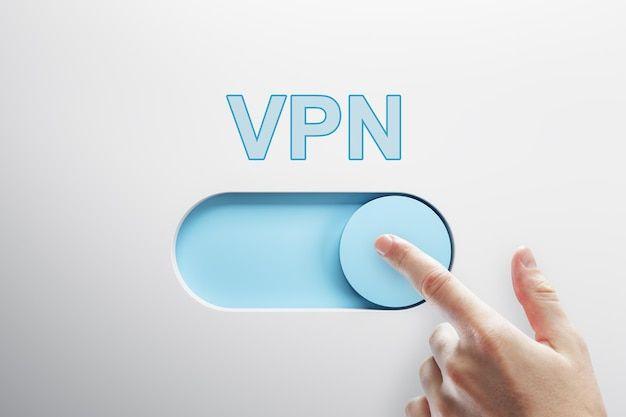
A Virtual Private Network (VPN) is a service that creates a secure, encrypted connection between your device and the internet. This connection is often described as a “tunnel” because it shields your data from being seen by third parties such as hackers, internet service providers (ISPs) and government surveillance agencies. Essentially, a VPN masks your IP address, making your online activities virtually untraceable.
How does a VPN work?
When you connect to the internet through a VPN, your data is first encrypted and then routed through a remote server operated by the VPN provider. This server acts as an intermediary between your device and the internet. Here is a step-by-step breakdown of the process:
Encryption. The VPN client (software) on your device encrypts your data before it leaves your device. Encryption converts your data into a code to prevent unauthorised access.
Tunnelling. The encrypted data is then sent to a VPN server through a secure tunnel. This tunnel ensures that your data is protected from any potential snoopers on your local network.
IP masking. The VPN server assigns you a new IP address, which masks your real IP address. This makes it appear as though you are accessing the internet from the VPN server’s location rather than your own.
Decryption. When your data reaches the VPN server, it is decrypted and sent on to its final destination on the internet. The process works in reverse when data is sent back to your device.
Benefits of using a VPN
Using a VPN offers several benefits, particularly in terms of privacy, security and accessibility:
Enhanced privacy. By masking your IP address, a VPN makes it much harder for websites, advertisers and hackers to track your online activities. This is especially important for maintaining privacy in an age where data is a valuable commodity.
Improved security. VPNs encrypt your internet traffic, protecting your data from hackers and other malicious actors. This is essential when using public Wi-Fi networks, which are often less secure and more vulnerable to attacks.
Access to restricted content. VPNs allow you to bypass geographical restrictions and access content that may be unavailable in your region. This includes streaming services, websites and social media platforms that may be blocked or censored in certain countries.
Bypassing censorship. In countries with strict internet censorship, a VPN can provide a lifeline to free and open communication. By connecting to a server in a different country, users can access blocked websites and services.
Anonymous browsing. VPNs enable anonymous browsing by preventing websites and ISPs from logging your browsing history. This is particularly valuable for journalists, activists and anyone concerned about their digital footprint.
Common misconceptions about VPNs
Despite their benefits, there are several misconceptions about VPNs that need to be addressed:
VPNs make you completely anonymous. While VPNs improve your privacy, they do not make you entirely anonymous. Your VPN provider can still see your online activities, and they may be required to share this information with the authorities if legally compelled. It is essential to choose a trusted VPN provider with a strict no-logs policy.
VPNs are only for tech-savvy users. Many people believe that VPNs are complicated to set up and use. However, modern VPN services are designed to be user-friendly, with simple interfaces and straightforward installation processes suitable for all users, regardless of technical expertise.
VPNs are only necessary for illegal activities. VPNs are often associated with illegal activities because of their ability to mask online behaviour. In reality, VPNs are a legitimate tool for anyone seeking to protect their privacy and secure their data.
Choosing the right VPN
Selecting the right VPN service is essential to ensure that you gain the full benefits. Here are some factors to consider:
Security features. Look for a VPN with strong encryption protocols, a kill switch (which disconnects you from the internet if the VPN connection drops) and protection against DNS leaks.
Speed and performance. VPNs can slow down your internet connection because of the encryption process. Choose a VPN that offers fast and reliable connections.
Server locations. A wide range of server locations allows you to bypass geo-restrictions and access content from different regions.
Privacy policy. Ensure that the VPN provider has a strict no-logs policy, meaning they do not store any data about your online activities.
Customer support. Good customer support can help you resolve any issues quickly and efficiently.
A VPN is an essential tool for anyone looking to protect their online privacy, secure their data and access restricted content. By understanding what a VPN is and how it works, you can make informed decisions about your online security. Whether you are concerned about privacy, security or accessibility, a VPN offers a practical solution for protecting your digital life.