*Cybersecurity series #003*
In today’s digital age, our online lives are full of accounts: email, social media, banking, shopping and much more. Protecting these accounts hinges on a single essential element: our passwords. Just as a sturdy gate protects your physical home, a strong password acts as the front line of defence against unauthorised access to your digital world.
But with so many accounts to manage, creating and remembering complex passwords can feel like an overwhelming task. Fear not! This guide is your blueprint for building robust passwords that keep your data secure, without succumbing to password fatigue.
The perils of weak passwords: why complexity matters
Imagine securing your castle with a flimsy wooden gate. That is essentially what a weak password does. Common passwords like “password123” or birthdates are easily cracked by hackers using automated tools. These tools can guess millions of passwords in a matter of seconds, making weak passwords a recipe for disaster.
Here is why strong passwords are essential:
- Defence against brute-force attacks. Hackers often use brute-force attacks, systematically trying every possible combination of characters until they hit upon the right password. A strong password, with its complex mix of characters, makes this process dramatically more time-consuming and deters the majority of attackers.
- Reduced risk from data breaches. Data breaches, in which hackers steal user details from a compromised database, are unfortunately common. If you reuse the same weak password across multiple accounts, a breach on one platform puts all your other accounts at risk. Strong, unique passwords for each platform reduce this risk.
Crafting your digital shield: the elements of a strong password
Now that we understand the importance of strong passwords, let’s look at the elements that make them effective:
- Length is key. The longer your password, the stronger it is. Experts recommend a minimum of 12 characters, but aiming for 15 or more is even better. The extra characters make it exponentially harder for hackers to crack.
- Variety is the spice of password life. Don’t settle for predictability. Combine upper-case and lower-case letters, numbers and symbols (like @, #, $, %) in your password. This variety creates a complex mix that is much harder to guess.
- Avoid the obvious. Steer clear of easily guessable information like your name, birthday, pet’s name or keyboard patterns (qwerty). Hackers typically target these predictable choices first.
- Think passphrases, not words. Instead of a single word, consider using a longer phrase you can easily remember. For example, a favourite film quote or song lyric can be a great foundation for a strong password, especially if you incorporate the elements discussed above.
Remembering your passwords: beyond sticky notes
Creating strong passwords is only half the battle. Remembering all of them can seem like a daunting task. Here are some strategies to keep your passwords secure and accessible:
Password managers. These are software applications that securely store all your passwords in one place. They remove the need to remember individual passwords, and they often offer features like password generation and auto-fill for logins.
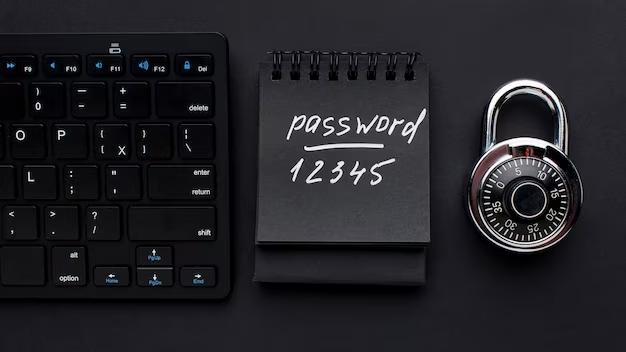
The pen and paper method. If you prefer a low-tech option, consider writing your passwords in a secure notebook (not on a sticky note under your keyboard!). Keep this notebook in a safe place, away from prying eyes.
Mnemonic devices. Create a memorable phrase or sentence containing elements you can use to build your passwords. For example, the first letter of each word in a favourite quote can be the base for your passwords on different platforms.
Building a culture of password security
Password security is an ongoing process, not a one-time fix. Here are some extra tips to cultivate good password hygiene:
Enable two-factor authentication (2FA). This adds an extra layer of protection by requiring a second verification step, like a code sent to your phone, when you log in.
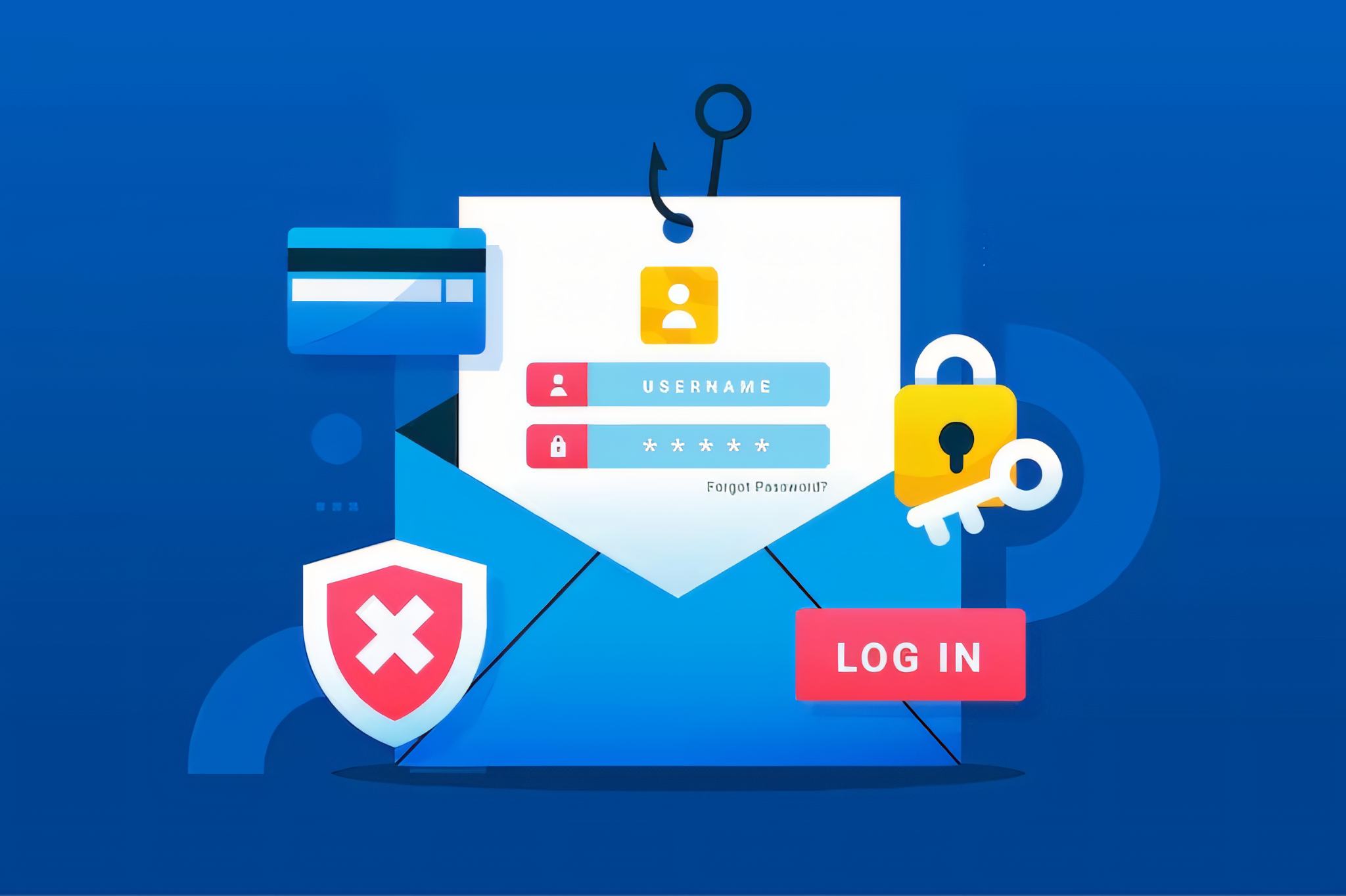
Be wary of phishing attempts. Phishing emails often try to trick you into revealing your passwords. Never enter your password on a website reached through a link in an email.
Be cautious on public Wi-Fi. Avoid accessing sensitive accounts on public Wi-Fi networks, as they can be less secure.
Update your passwords regularly. Consider changing your passwords every few months, especially for critical accounts like banking and email.
Conclusion
By following these password security best practices, you can substantially strengthen your online defences. Remember, a strong password is like a well-fortified castle: it deters attackers and keeps your valuable information safe. Don’t settle for a sandcastle that is easily washed away by the digital tide.
— Ayush Jha