Recycling plays a crucial role in minimising waste, conserving resources and protecting the environment. The effectiveness of recycling varies from one material to another, but some stand out for their high efficiency rates. Here is a look at the materials with the highest recycling efficiency and how they contribute to a more sustainable future.
1. Aluminium
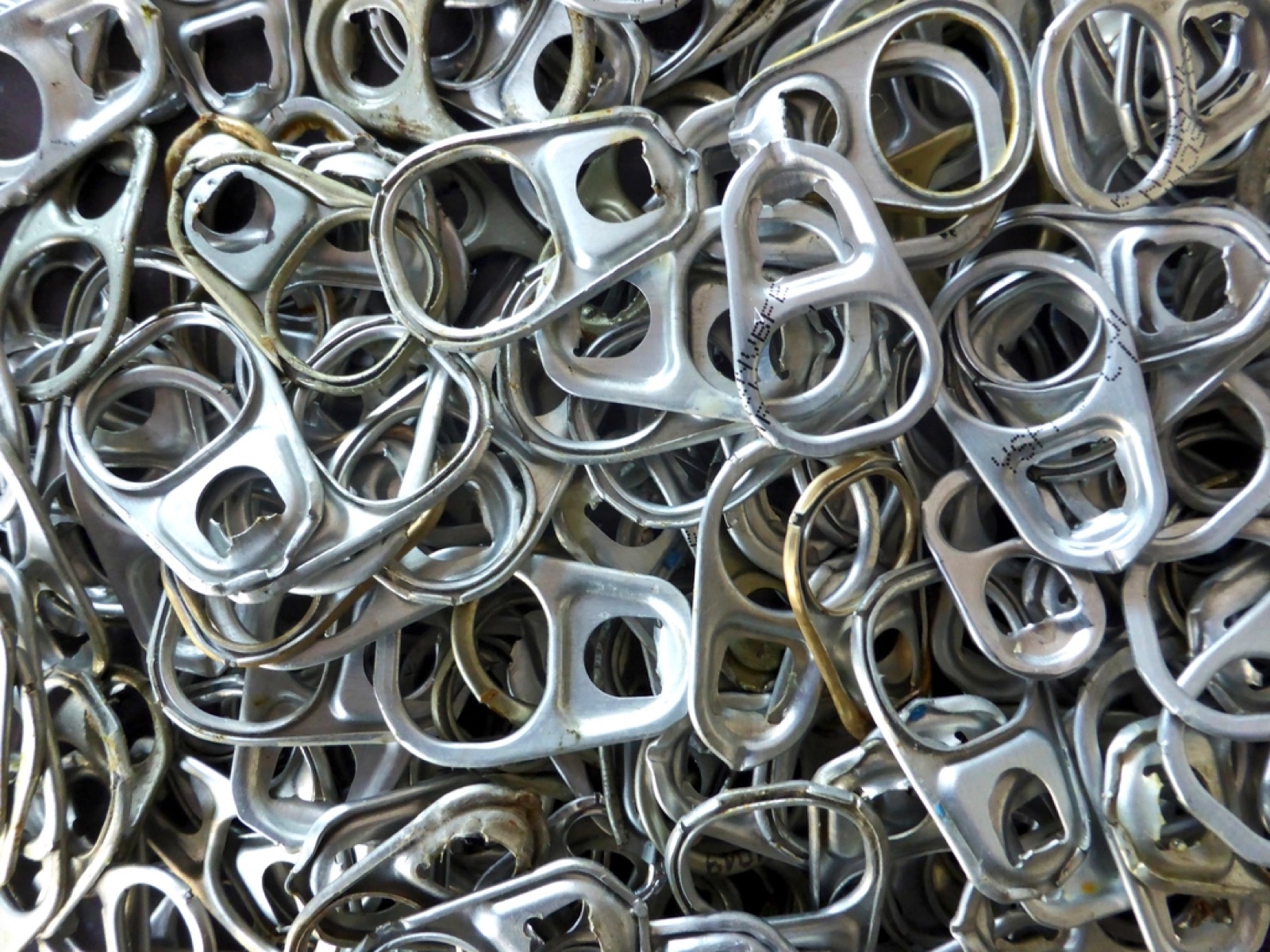
Aluminium is a recycling champion, with an efficiency rate of about 90%. The metal can be recycled indefinitely without losing its quality, and recycling it saves up to 95% of the energy needed to produce new aluminium from raw materials. Commonly recycled aluminium products include beverage cans, foil and packaging materials. The high value of scrap aluminium and its widespread recycling infrastructure make it one of the most efficiently recycled materials in the world.
2. Paper
Paper recycling is highly efficient, with recovery rates of around 66% globally and even higher in some countries. Recycled paper is used to make newspapers, cardboard and office paper. Recycling paper uses significantly less energy and water than producing paper from virgin wood pulp, and it helps to reduce deforestation and the environmental damage that goes with it.
3. Steel
Steel has an impressive recycling rate of around 80–90%. Like aluminium, steel can be recycled many times without degrading. Recycled steel is commonly used in construction, car manufacturing and packaging. The recycling process saves about 75% of the energy required to produce new steel, making it both economically and environmentally beneficial.
4. Glass
Glass recycling efficiency varies by region, but it generally sits at around 33–50%. Glass can be recycled indefinitely without losing its quality, which makes it a highly sustainable material. Recycled glass is used to make new bottles, jars and other glass products. Recycling glass reduces the need for raw materials such as sand and limestone, and saves energy compared with producing new glass from scratch.
5. Plastics (PET and HDPE)
Plastics present a more complex recycling picture because of the variety of types and their different properties. However, PET (polyethylene terephthalate) and HDPE (high-density polyethylene) are the most efficiently recycled plastics, with recycling rates of about 29% and 30% respectively. These plastics are commonly used in beverage bottles, containers and packaging. Recycling PET and HDPE reduces the demand for virgin plastic production, conserving petroleum resources and cutting greenhouse gas emissions.
Why recycling efficiency matters
The efficiency of recycling processes affects both the environment and the economy. High recycling efficiency reduces the need for raw materials, lowers energy consumption and keeps waste out of landfill. It also cuts the pollution and greenhouse gas emissions associated with manufacturing processes. By focusing on the materials with the highest recycling efficiency, we can maximise the benefits of recycling efforts and move closer to a circular economy.
Conclusion
Materials such as aluminium, paper, steel, glass and certain plastics lead the way in recycling efficiency, showing the potential of recycling to conserve resources and protect the environment. As technology advances and recycling infrastructure improves, we can expect even higher efficiency rates and the ability to recycle a broader range of materials. Emphasising the importance of recycling these materials, and supporting initiatives that improve recycling processes, are essential steps towards a more sustainable future.