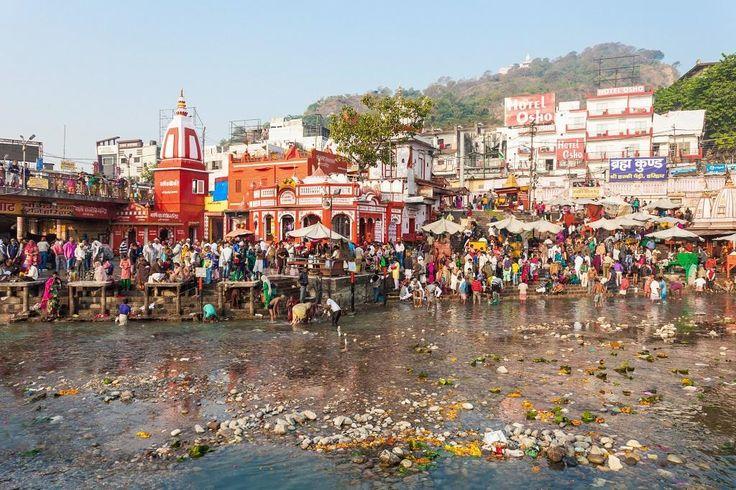
The Ganga, also known as the Ganges, is one of the most sacred rivers in India and holds tremendous cultural, spiritual and economic value. Rising from the Gangotri Glacier in the Himalayas, it flows for over 2,500 kilometres across northern India, providing water to millions of people and sustaining a wide variety of ecosystems. Over the centuries, however, this revered river has faced severe pollution problems, threatening its health and the wellbeing of those who depend on it. This article traces the history of the Ganga’s pollution, exploring its causes and the efforts to restore its purity.
Ancient times: a sacred lifeline
In ancient times, the Ganga was celebrated not only for its sacred status but also for its pristine waters. It was considered the “elixir of life”, purifying hearts and absolving sins. The river’s importance is deeply embedded in Hindu mythology, where it is personified as the goddess Ganga. Communities along its banks depended on the river for drinking water, farming and transport. The ancient cities of Varanasi, Haridwar and Prayagraj flourished because of the Ganga’s abundant resources.
Industrialisation and urbanisation: the onset of pollution
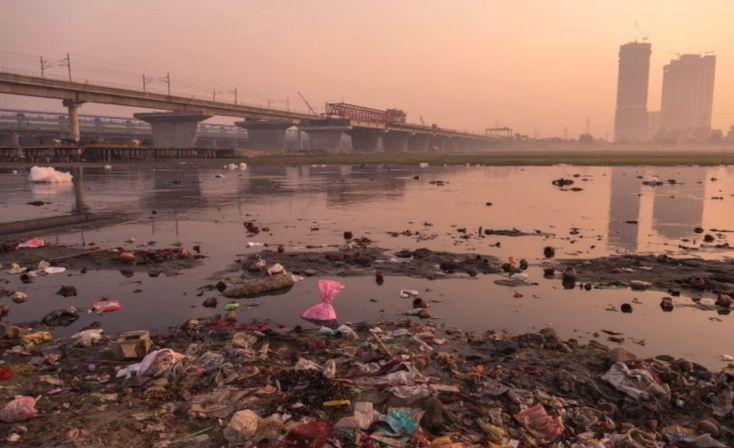
The beginning of the British colonial era marked the start of substantial changes along the Ganga. The arrival of industrialisation and urbanisation led to a rise in pollution levels. Factories and industries began releasing untreated waste into the river, while the rapid growth of cities meant more domestic sewage and waste being dumped into its waters. By the late 19th and early 20th centuries, the Ganga was already showing signs of distress.
The post-independence era: escalating problems
After India gained independence in 1947, the country’s focus on rapid industrialisation and economic development further intensified the pollution of the Ganga. The setting up of numerous industries along the river’s course, including tanneries, paper mills and chemical plants, led to toxic effluents being discharged straight into the water. The lack of proper sewage treatment facilities in growing urban areas added to the deterioration of water quality.
The agricultural sector also played a part in polluting the Ganga. The widespread use of chemical fertilisers and pesticides led to run-off that carried harmful substances into the river, affecting aquatic life and human health.
Religious practices and rituals
Paradoxically, the intense reverence for the Ganga has also added to its pollution. Religious rituals, such as the immersion of idols, ashes and offerings, have contributed to the river’s contamination. During festivals such as the Kumbh Mela, millions of devotees gather to bathe in the river, believing it will cleanse them of their sins. While these practices are spiritually significant, they often bring an influx of pollutants, including plastic, flowers and other debris.
Government initiatives and public awareness
Recognising the critical state of the Ganga, the Indian government has launched several initiatives over the years to address its pollution. In 1986, the Ganga Action Plan (GAP) was introduced as the first major effort to clean the river. The plan, however, faced many obstacles, including inadequate funding, administrative inefficiency and a lack of public participation. As a result, its outcomes were limited and the river’s pollution levels continued to rise.
In 2014, the government launched the Namami Gange Programme, a much more comprehensive effort aimed at rejuvenating the Ganga. The program has focused on improving sewage treatment infrastructure, managing industrial discharge, and promoting public awareness and participation. Significant progress has been made, but challenges remain in reaching the desired water quality standards.
The role of civil society and NGOs
Civil society and non-governmental organisations (NGOs) have played an important role in raising awareness and campaigning for the Ganga’s protection. Groups such as the Ganga Action Parivar and the Clean Ganga Campaign have organised clean-up drives and educational programs, and have taken legal action to hold polluters accountable. These efforts have helped to build public support and put pressure on the government to take more effective measures.
Looking ahead: a collective responsibility
The history of the Ganga’s pollution is a complex story of industrialisation, urbanisation and social practices. While substantial strides have been made to tackle the river’s pollution, much remains to be done. The success of future efforts hinges on a collective responsibility that includes government action, industrial compliance, community participation and changes in individual behaviour.
The Ganga’s revival is not just about restoring a river; it is about preserving a vital lifeline that sustains millions of people and countless ecosystems. By honouring its sacredness and acknowledging its ecological importance, we can work towards a future in which the Ganga flows pure and life-giving every day.