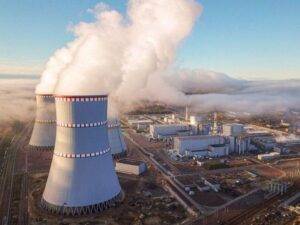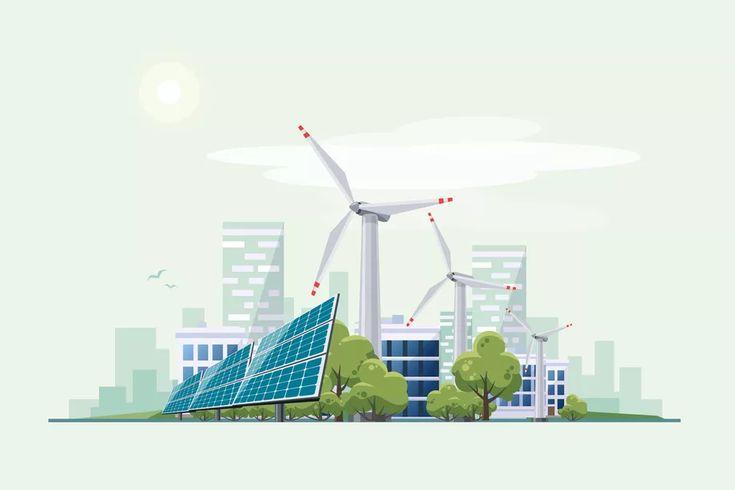
The fight against global warming calls for moving away from fossil fuels and towards renewable and sustainable sources of energy at the same pace. While renewable sources such as solar and wind power are already well developed and advancing rapidly, the clean energy future still holds enormous potential for growth. New developments could open up fresh ways of gathering, storing and delivering energy that allow society to move to a more environmentally friendly system.
New trends in renewable energy
Several emerging technologies are pushing the boundaries of renewable energy production:
Advanced solar technologies. Perovskite solar cells could well be the next big step for solar power. Coming generations of these cells may reach efficiency rates higher than today’s silicon panels, at 30% and well above. Perovskites can also be flexible and lightweight, which makes them useful for applications in building materials and wearable devices.
Advances in concentrated solar power (CSP). CSP systems use mirrors to focus sunlight onto collectors or receivers, where heat is produced to generate electricity. Engineers are also developing molten salt storage for CSP, so that energy collected during the day can be used to generate electricity at night. This dispatchability makes CSP a more reliable source of renewable energy than other weather-dependent renewable sources.
Offshore wind power. Offshore wind farms perform much better in deep water, where the winds are stronger and steadier. Floating wind turbine technology is advancing and can be used to unlock this largely untapped market. At the same time, improvements in turbine design are producing bigger turbines that generate more power from each unit.
Ocean energy technologies. These natural power sources generate electricity from waves, tides or currents. While methods such as wave energy converters and underwater turbines are still in their infancy, they appear to hold a lot of potential. Tapping this evenly distributed ocean energy resource could add a great deal to the clean energy mix.
Geothermal innovations. Enhanced geothermal systems (EGS) have the ability to extend the use of geothermal power. EGS uses technology to create pathways through underground rock layers to reach heat in places with low permeability. This breaks the traditional mould and opens new possibilities for geothermal energy production.
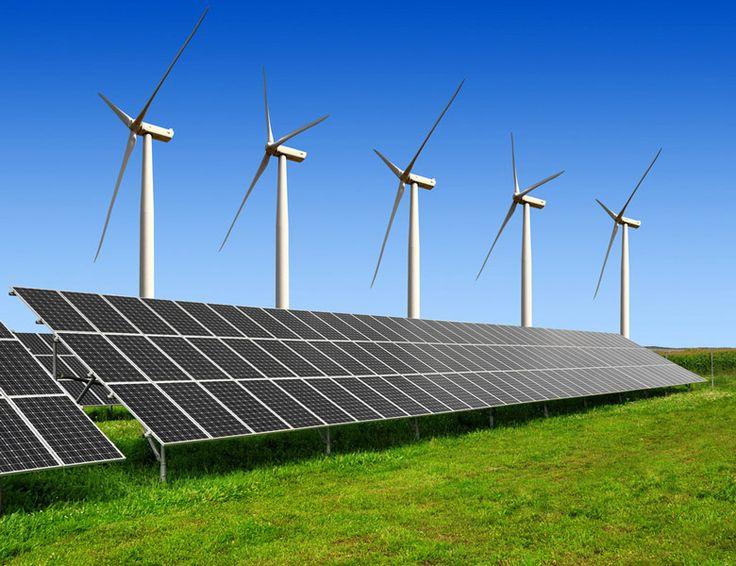
Potential game-changers
Beyond renewable energy generation, several innovative technologies are transforming how we store and manage energy:
Advanced battery storage. Lithium-ion batteries currently lead the energy storage market, and scientists are working to develop different batteries that hold more charge and cost less. Two emerging technologies with the ability to disrupt the grid storage industry are redox flow batteries and sodium-ion batteries.
Hydrogen power. Hydrogen, especially when produced with renewable electricity (known as green hydrogen), is a clean energy carrier with huge potential. Fuel cells can turn hydrogen back into electricity to power vehicles, buildings and even entire power grids. Electrolysis, which splits water into hydrogen using electricity, and hydrogen storage are important pillars supporting the hydrogen industry.
Smart grid technology. A smart grid is an advanced electricity network that uses software and communication systems to manage and improve the delivery and use of electricity as efficiently as possible, and to absorb higher shares of variable renewable energy. Smart grids can control electricity more efficiently in response to demand, distributing energy with fewer losses and a higher share of renewables.
Carbon capture, utilisation and storage (CCUS). CCUS technologies remove carbon dioxide from the emissions of power plants and industrial facilities, reducing what reaches the atmosphere. Once captured, the carbon dioxide can be injected underground or converted into other products needed by industry. CCUS is still in its infancy, but it can help to cut emissions from hard-to-abate sectors.
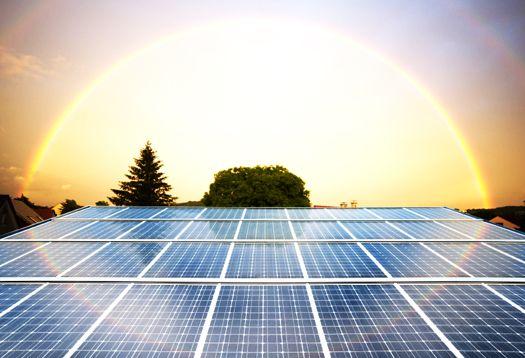
Challenges and opportunities
Despite their immense potential, these innovative clean energy technologies face challenges that need to be addressed:
Cost reduction. Many new technologies are still costly, which can prevent their large-scale use. Further research and development is the only way to drive costs down and make these technologies more marketable.
Policy and regulation. Policies and regulations should encourage the development of cleaner technologies and allow them to compete with dirty fuels in the market.
Grid integration. Variable renewable technologies such as solar and wind call for sophisticated management systems and possibly higher levels of grid storage.
Public perception. Some clean energy technologies, such as CCUS and geothermal energy, can be costly, and their social acceptance can be a matter of contention. For deployment to succeed, questions about safety and effects on the environment must be communicated clearly to the public.
These revolutionary clean energy solutions are emerging at a fast pace, and this is both a problem and a prospect. Cooperation between governments, academia and the commercial sector is the way to overcome these shortcomings and realise the full promise of clean energy. These innovations should be adopted as the solutions that create a path towards a sustainable environment with clean, efficient and affordable sources of energy.