In the search for sustainable energy solutions, nuclear batteries have emerged as a promising technology with the potential to transform power generation. Unlike conventional batteries, nuclear batteries harness the energy of radioactive materials to provide long-lasting power. This article looks at the concept of nuclear batteries, their advantages, and whether they can truly contribute to a sustainable energy future.
What are nuclear batteries?
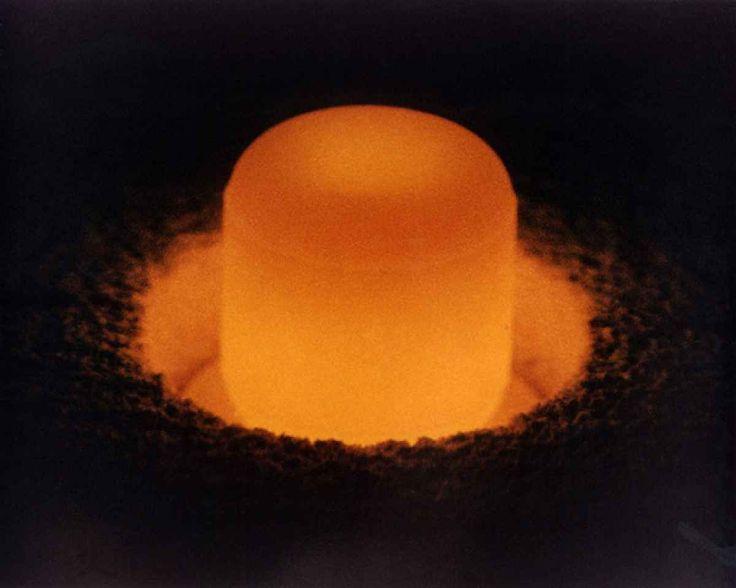
Nuclear batteries, also known as radioisotope thermoelectric generators (RTGs), use the heat produced by the decay of radioactive isotopes to generate electricity. The most common isotope used in these batteries is plutonium-238, which gives off steady heat as it decays. This heat is then converted into electricity using thermocouples, devices that turn thermal energy into electrical energy.
Nuclear batteries are not a new idea. They have been used for decades in space exploration to power spacecraft, satellites and rovers. The Voyager missions, for example, rely on RTGs for their power supply, allowing them to send data back to Earth from the far reaches of our solar system.
Advantages of nuclear batteries
1. Long-lasting power
One of the main advantages of nuclear batteries is their longevity. Unlike conventional chemical batteries, which need frequent recharging or replacement, nuclear batteries can provide continuous power for decades. Plutonium-238, for example, has a half-life of 87.7 years, meaning a nuclear battery can run for many years without significant loss of power.
2. High energy density
Nuclear batteries have a high energy density, meaning they can store a large amount of energy in a relatively small volume. This makes them ideal for applications where space and weight are critical considerations, such as spacecraft and medical devices like pacemakers.
3. Reliability
The reliability of nuclear batteries is another key advantage. They do not depend on environmental conditions, as solar or wind power do, which makes them suitable for use in remote or harsh environments where other power sources may be impractical or unreliable.
4. Low maintenance
Nuclear batteries need minimal maintenance once deployed, which adds to their appeal. This is especially valuable for applications where regular maintenance is difficult or impossible, such as deep space missions or remote sensing equipment.
Potential for sustainable energy
While nuclear batteries offer substantial advantages, their potential as a sustainable energy solution for wider applications depends on several factors:
1. Safety concerns
The use of radioactive materials in nuclear batteries raises safety concerns. Although the risk of radiation exposure is minimal under normal operating conditions, accidents or improper handling could lead to dangerous situations. Robust safety measures and secure containment of radioactive materials are essential to reducing these risks.
2. Environmental impact
The production and disposal of the radioactive materials used in nuclear batteries pose environmental challenges. Mining, refining and handling these materials can have negative environmental effects. The disposal of spent nuclear batteries also requires careful management to prevent contamination.
3. Cost and scalability
At present, the high cost of producing nuclear batteries limits their widespread adoption. Plutonium-238, for example, is expensive and scarce. Research and development efforts are under way to find more abundant and cost-effective isotopes, and to improve the performance of the thermoelectric materials used in the conversion process. Scalability is another challenge, as producing large numbers of nuclear batteries to meet global energy needs would require substantial investment and infrastructure.
4. Regulation and public acceptance
Deploying nuclear batteries on a larger scale would mean navigating complex regulatory frameworks and addressing public concerns about nuclear energy. Clear communication about the benefits and risks, together with strict regulatory oversight, is essential to gaining public trust and acceptance.
Despite the obstacles, the future prospects for nuclear batteries as a sustainable energy solution are encouraging. Advances in science and engineering are paving the way for more efficient and safer nuclear batteries. Researchers are exploring alternative isotopes such as americium-241, which may offer advantages in terms of availability and cost.
The potential applications of nuclear batteries are also expanding. Beyond space exploration and medical devices, they could be used in remote sensing, undersea exploration and disaster recovery operations, where reliable, long-lasting power sources are vital.
Nuclear batteries hold considerable promise as a sustainable energy solution, especially for applications that need long-lasting, dependable power. While there are obstacles to overcome, including safety, environmental impact, cost and public acceptance, ongoing research and development efforts are addressing these concerns. As technology advances and new solutions emerge, nuclear batteries could play an important part in the future energy landscape, contributing to a more sustainable and resilient energy system.