
Our planet is facing a significant challenge: climate change. Driven mainly by greenhouse gases such as carbon dioxide, it is altering the climate, raising sea levels and endangering ecosystems. Everyone, individuals and businesses alike, has a part to play in reducing their carbon footprint, the total amount of greenhouse gases they release into the atmosphere. If people become more selective about their actions and make conscious decisions in their daily activities, they can have a huge impact on the environment.
Personal actions for a low-impact life
Here are some key strategies individuals can adopt to minimise their carbon footprint:
Transport. Car emissions are a major source of the carbon emissions behind what we now call global warming. Try to avoid using a car for transport as often as possible. For short distances, run errands on foot, by bicycle or by public transport; the car is best kept for journeys where the distance is large. When thinking about a new car, consider an electric or hybrid vehicle.
Energy consumption. Our homes, for instance, consume a large amount of energy. Turn off lights and other gadgets that are not needed in a room or in the house. Choose energy-efficient appliances and light bulbs. Switch to smart power strips so that devices not in use are powered down. Watch your heating; it may seem a small difference, but it counts. Solar panels are also worth considering, to capture natural energy for use in the home.
Food choices. Most of the meat that reaches the market has a high carbon impact. Eat less red meat and cold cuts, and consider plant-based products. Buy food and ingredients that are grown locally and in season, to minimise the emissions involved in transport. Composting food waste reduces the amount of food and drink that is thrown away and produces fertiliser for garden plants.
Conscious consumption. Avoid buying things you do not really need, and choose quality items that are likely to last longer. Avoid products that are used briefly and then thrown away, such as plastic carrier bags, bottles and cups, and use reusable shopping bags, water bottles and cups instead. Repair an item when it is damaged rather than throwing it away.
Travel and leisure. A recent study shows that aviation is one of the biggest contributors to greenhouse gas emissions. Choose holidays that involve less travel, such as a staycation or a destination you can reach by car or train. If a flight is unavoidable, choose a carbon offset program to counter the emissions produced.
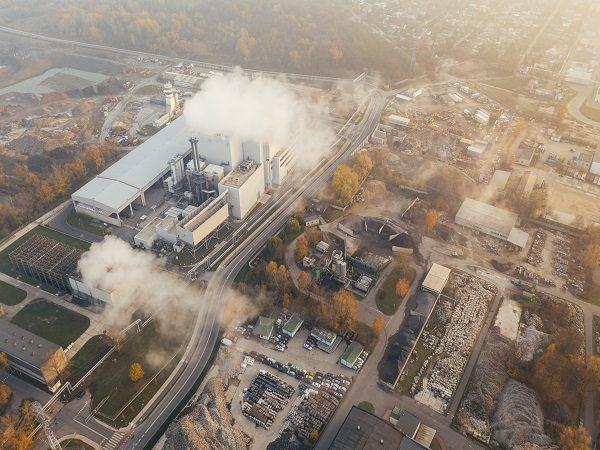
Businesses leading the green charge
In today’s world, businesses are known to have a significant influence on the environment. Here is how they can become more sustainable:
Energy efficiency. Using efficient lighting and appliances, and opting for energy-efficient HVAC systems, cuts a large share of a company’s carbon footprint. Switching to solar or wind power is beneficial in the long run.
Sustainable supply chain. One approach businesses can take is to select suppliers who are conscious of the environment. This means reducing packaging waste and concentrating on local materials in production. Staff education and proper waste management, especially of hazardous waste, must be carried out effectively.
Green transport. Employers can encourage employees to use public transport, cycling or car-sharing to get to and from work. Providing electric car charging points can encourage employees to use eco-friendly means of transport.
Reduce, reuse, recycle. Organisations need programs that reduce waste and promote reuse. Choosing digital communication and avoiding paper-based operations can cut paper use to a great extent.
Sustainability reporting. Some companies may reduce their emissions while others lack the ability to do so, so a company should make its environmental record public, along with any plans for cutting emissions. This has many benefits for the environment and helps to establish the company’s image as a responsible member of society.
Case studies: high-impact examples of carbon saving
Patagonia. Patagonia operates as an outdoor clothing company, and its environmental responsibility is second to none. Patagonia makes products from recycled materials, takes back worn products for repair, and encourages consumers to consume less and demand better quality; its products are designed to last a long time, reducing waste.
IKEA. The furniture giant has made great strides in cutting its emissions. It buys and uses renewable energy for its shops and production facilities, drawing on wind and solar sources. IKEA also pays attention to responsible forestry, and many of its products contain recycled materials.
Seventh Generation. This company makes green household products, particularly cleaning products. Its formulations use natural plant-based ingredients, and its products are packaged in recycled containers. Seventh Generation also plays a part in educating people about environmental awareness and reducing household waste.
The successes in these cases clearly show that greater profits can be realised by paying closer attention to the environment. By following similar methods, organisations like these can encourage people to take action against climate change.

Moving forward: civic action to change the world for the better
Sustainability, or the reduction of carbon emissions, is a lifelong process. All communities should make conscious decisions to change their daily behaviour, and businesses should put sustainable practices into place. Each step a person takes is a step in the right direction, towards making the world a better place for the current and coming generations. It is time for each of us to do our part to protect the environment and make this world a better place for the generations to come.