As global demand for energy continues to climb, there is an urgent need to improve energy efficiency and integrate renewable energy sources into the grid. Traditional power grids, characterised by a one-way flow of electricity from power plants to consumers, are increasingly inadequate for these modern challenges. Enter smart grids: an advanced and innovative solution designed to change how we generate, distribute and consume electricity. Smart grids use digital technology to create a more efficient, reliable and resilient energy system, and they play a critical role in improving energy efficiency.
What is a smart grid?
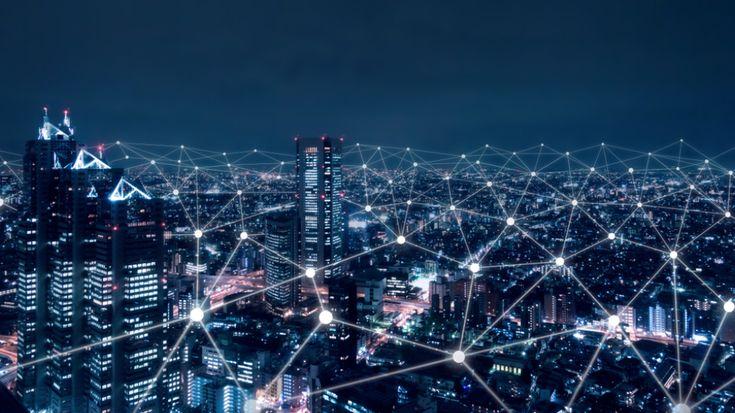
A smart grid is an electricity network that uses digital technology to monitor and manage the transport of electricity from all generation sources to meet the varying demands of end users. Unlike traditional grids, smart grids allow two-way communication between the utility and its customers. This communication takes place through smart meters, sensors and other digital devices that provide real-time data on energy consumption and system performance.
Improving energy efficiency through smart grids
1. Real-time monitoring and data analysis
One of the key benefits of smart grids is their ability to provide real-time monitoring and data analysis. Smart meters and sensors collect data on energy use, grid conditions and the performance of different energy sources. This data is then analysed to identify patterns, forecast demand and optimise the distribution of energy. By understanding when and where energy is used most, utilities can make informed decisions to reduce waste and improve efficiency.
2. Demand response
Smart grids enable demand response programs, which are designed to adjust the demand for power rather than the supply. During periods of peak demand, utilities can send signals to smart appliances and devices to reduce their energy consumption temporarily. Smart thermostats, for example, can be set to adjust heating and cooling settings at times of high demand. This not only helps to balance the load on the grid but also reduces the need for additional power generation, which is often less efficient and more polluting.
3. Integration of renewable energy sources
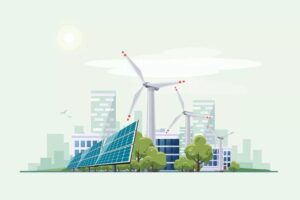
Renewable energy sources such as solar and wind are intermittent and can be unpredictable. Smart grids are equipped to handle these fluctuations by using advanced forecasting and real-time data to manage the integration of renewables effectively. When solar panels generate more electricity than is needed, for instance, smart grids can store the excess energy in batteries or distribute it to other areas with higher demand. Conversely, during periods of low renewable generation, the grid can draw on stored energy or adjust demand to maintain stability.
4. Reducing transmission and distribution losses
Traditional power grids suffer substantial transmission and distribution losses as electricity travels long distances from power plants to consumers. Smart grids reduce these losses by optimising the flow of electricity and using distributed generation sources. By generating power closer to where it is consumed, smart grids shorten the distance energy has to travel, improving efficiency. Real-time monitoring also allows faults and inefficiencies in the grid to be detected early, so that corrective action can be taken promptly.
5. Empowering consumers
Smart grids also empower consumers to become active participants in the energy system. Through smart meters and energy management systems, consumers can monitor their energy use in real time, identify periods of high consumption and take steps to reduce it. Some smart grids also allow dynamic pricing, where the cost of electricity varies with demand. This encourages consumers to shift their usage to off-peak times, when electricity is cheaper and more plentiful, further improving overall energy efficiency.
6. Improving grid reliability and resilience
Smart grids improve the reliability and resilience of the electricity network. By continuously monitoring the grid’s health, identifying potential problems and responding quickly to outages or disruptions, smart grids ensure a more stable and dependable power supply. This is especially important in the face of increasingly severe weather and the other challenges posed by climate change.
The move to smart grids represents a substantial leap forward in the pursuit of better energy efficiency. By harnessing digital technology, smart grids enable real-time monitoring, optimise energy distribution, integrate renewable energy sources, reduce losses and empower consumers. As the global energy landscape continues to evolve, the role of smart grids will become increasingly critical in creating a more efficient, reliable and sustainable energy future. Through continued innovation and investment in smart grid technologies, we can move closer to achieving our energy efficiency and sustainability goals, ultimately benefiting both the environment and the economy.