The beginnings of Sattriya
Sattriya dance was established by the revered Assamese saint and scholar Srimanta Sankardeva during the Bhakti movement in Assam. Sankardeva, a polymath and social reformer, set out to propagate Vaishnavism, the worship of Lord Vishnu, through various art forms, including dance, drama and music. He founded the satras, monastic institutions that became the focal points of religious and cultural activity.
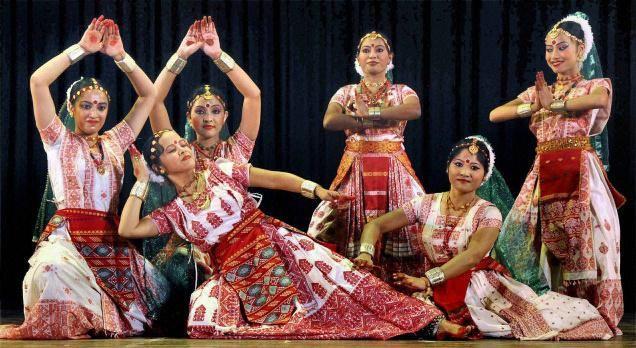
Sattriya has its genesis in these satras, where it was performed as part of the daily rituals and ceremonies. At first the dance was intended as a means of storytelling, depicting episodes from Hindu epics such as the Ramayana and the Mahabharata and from the life of Lord Krishna. With its expressive movements, intricate footwork and keen facial expressions, Sattriya conveyed the teachings of Vaishnavism to the masses, making spiritual principles accessible and engaging.
The evolution of Sattriya
From its creation in the satras, Sattriya has undergone substantial evolution. For centuries it remained confined within the walls of the monasteries, performed mainly by male monks called “bhokots”. These performances were not merely entertainment but acts of devotion and worship, reflecting the spiritual principles of the satras.
In the mid-20th century, efforts to bring Sattriya to the wider cultural sphere gained momentum. Scholars and cultural enthusiasts recognised the artistic and cultural value of the dance form and pressed for its recognition as a classical dance of India. Their efforts bore fruit in 2000, when Sattriya was formally recognised as one of India’s classical dance forms by the Sangeet Natak Akademi.
This recognition marked a turning point in the evolution of Sattriya. It moved beyond its religious confines and entered the secular performance stage, attracting a diverse group of performers, including women. This change also led to the codification of its techniques and repertoire, ensuring the preservation and propagation of its rich traditions.
The cultural significance of Sattriya
Sattriya’s cultural importance goes beyond its aesthetic appeal. It is a living tradition that embodies the spiritual and cultural essence of Assam. As a classical dance form, it acts as a channel for passing on cultural values, spiritual teachings and artistic heritage.
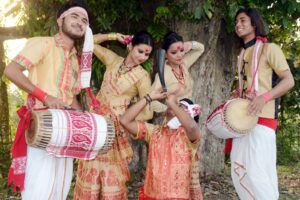
One of the unique features of Sattriya is its combination of dance, drama and music. This holistic approach to performance art creates a rich, immersive experience that captivates audiences while conveying spiritual stories and moral lessons. The use of traditional Assamese musical instruments, such as the dhol (drum), taal (cymbals) and flute, further enhances the cultural authenticity of the performances.
Sattriya’s intricate choreography and expressive techniques are rooted in the Natyashastra, the ancient Indian treatise on the performing arts. The dance form’s repertoire includes many “nritya” (pure dance) and “natya” (expressive dance) sequences, each with its own unique set of movements and expressions. The “Prabandha” and “Ankiya Nat” are notable examples of Sattriya’s dramatic compositions, blending dance with theatrical elements to tell spiritual stories.
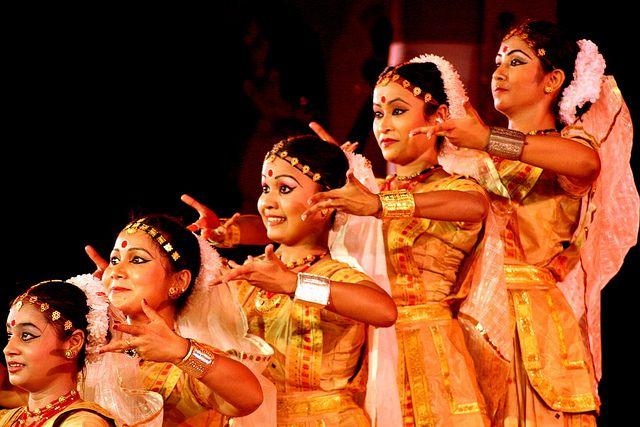
In modern times Sattriya has become a symbol of Assamese identity and pride. It is performed on various cultural platforms, from local festivals to international stages, showcasing the rich cultural heritage of Assam to the world. Sattriya dance festivals and competitions are held regularly, encouraging young talent to learn and preserve this ancient art form.
Preservation and propagation
The preservation and spread of Sattriya are essential to maintaining its cultural heritage. Various efforts by the government, cultural organisations and individual artists have played an important role in this. Institutions dedicated to the teaching and study of Sattriya have been established, offering formal training to aspiring dancers.
Efforts are also being made to document and archive Sattriya’s vast repertoire, ensuring that its techniques and compositions are preserved for future generations. Workshops, seminars and lecture-demonstrations are organised to educate people about the history, philosophy and aesthetics of Sattriya, fostering a deeper appreciation of this classical dance form.
Conclusion
Sattriya is more than just dance; it is a cultural treasure that embodies the spiritual and artistic heritage of Assam. Its beginnings in the religious practices of the satras, its evolution into a recognised classical dance form and its cultural significance make it a vital part of India’s artistic landscape. As we continue to cherish and promote Sattriya, we ensure that this magnificent dance form remains a vibrant and enduring part of our cultural heritage, inspiring and educating generations to come.