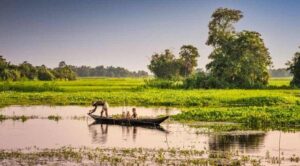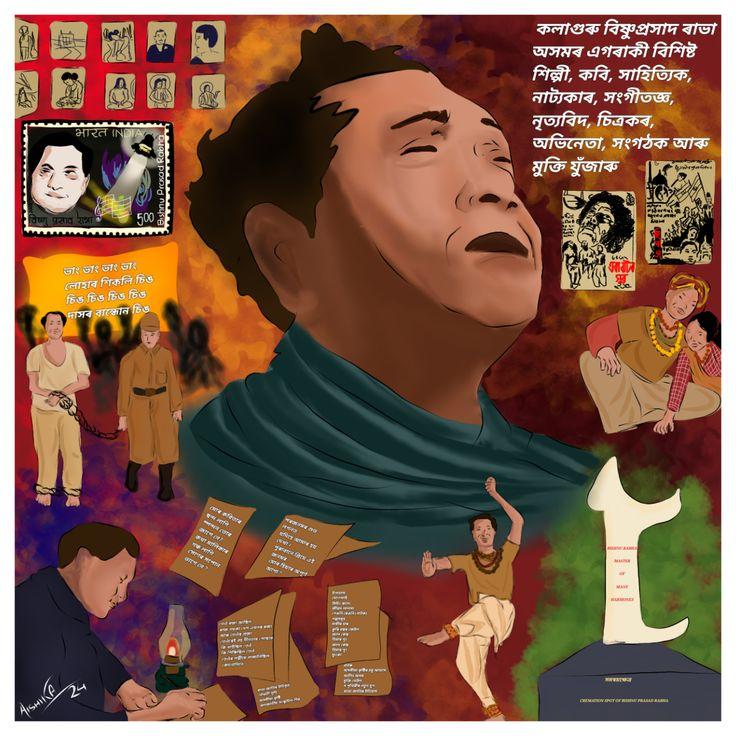
Assam, a beautiful state in the north-east of India, is as well known for its literature and folklore as for its tea gardens, picturesque landscapes and biodiversity; it is a writers’ paradise. Assam’s literature and folklore hold many stories that speak of its culture and history and reflect its rich endowment and society. This article gives an overview of Assamese literature and culture: its major literary figures, its well-known folk tales, and the oral traditions that play the most significant part in passing on this legacy.
Assamese literature and its literary figures
The literary tradition of Assam begins around the early medieval period, which was marked by religious works and the poetry of the court. The earliest phases of Assamese literature are religious, and they include the devotional poetic compositions of Sankardev and Madhavdev in the 15th and 16th centuries respectively. Sankardev is highly esteemed both for his literary contributions and for starting the cultural revival of Assam through the Vaishnavite movement he founded. Among his creations, the Kirtan Ghosha and the Ankiya Naat are well known as prominent works of Assamese literature.
The 19th and early 20th centuries saw the formation of modern Assamese literature under the influence of Western education and the Indian renaissance. This period produced luminaries such as Hemchandra Barua, who is recognised for his influential role in modernising Assamese prose and enlarging the Assamese vocabulary through his comprehensive Assamese-English dictionary. Lakshminath Bezbaroa, fondly called “Sahityarathi”, the charioteer of Assamese literature, brought Assamese literature to the wider public. His works range from satire to romance and remain of interest to this day.
Literary talent emerged once again in the post-independence era, when Bhabendra Nath Saikia and Indira Goswami, also known as Mamoni Raisom Goswami, reached the national and international stage. Saikia’s works are full of humanism and depict the rural realities of India, while Goswami’s powerful narratives centre mostly on women and the weaker sections of society. Her novel The Moth-Eaten Howdah of the Tusker is still a prized piece in the treasury of Indian literature.
Folk tales and what they mean to the culture
Assamese culture retains a rich collection of folk tales that has been preserved and passed down from one generation to the next. These stories are not only thrilling but also carry cultural and ethical messages that come back time and again to the Assamese people.
Of all the folk tales, the most familiar is “Tejimola”, a tale of suffering. It follows a young girl, Tejimola, who is tormented by her stepmother and yet does not give up, bearing everything with sheer patience. Her transformation and eventual freedom depict the defeat of dark forces, a common theme in Assamese folklore.
Another touching story is “Sukhu and Dukhu”, which tells of two sisters and their lives. The pious and kind-hearted Dukhu suffers much, but in the end all her virtues are amply rewarded, while the selfish and greedy Sukhu meets the worst fate. The story carries a moral message of respect, sharing with others and treating people well, virtues which, according to the tale, are always rewarded.
Another interesting narrative in Assamese folklore is “Urvashi and Pururavas”, a mythological and romantic tale. Drawn from Puranic lore, it tells of the love between the apsara Urvashi and the human king Pururavas. It is a look at the complexities and joy of love and loss, and at the more spiritual theme of divine contact between humans and the gods.
The role of oral traditions in preserving heritage
Oral sources have also been fruitful means of cultural continuity in Assam. To a large extent, oral tradition was the only means of passing on information, histories and other essential aspects of culture before writing came into existence. These traditions have done much to keep alive the stories of Assamese folk tales, so that coming generations may benefit from the wise sayings and values of the past.
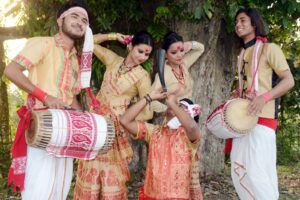
Bihu songs illustrate this well. They are native to the people of Assam and proclaim the arrival of a new year and a new season. These songs, most often accompanied by dancing, portray the happiness and pain of those who live in the countryside, and celebrate nature and togetherness.
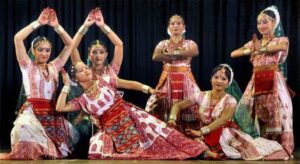
Other performance genres include the Ojapali and Deodhani, which are very significant because they narrate, sing and dance at the same time, focusing on mythological tales and folk tales. These performances, staged especially during fairs and religious ceremonies, are Assamese culture at its finest, telling the stories and enacting the rituals that make up Assamese life.
The literature and folklore of Assam are, in short, a fabric woven from historical, mythological and cultural threads. From early masters such as Sankardev and modern masters such as Lakshminath Bezbaroa to the timeless folk tales that affirm moral and cultural values, Assam’s literary heritage reflects the state and its culture. The cultural traditions received and passed on by word of mouth are alive in Assamese society today and are capable of bridging past, present and future.