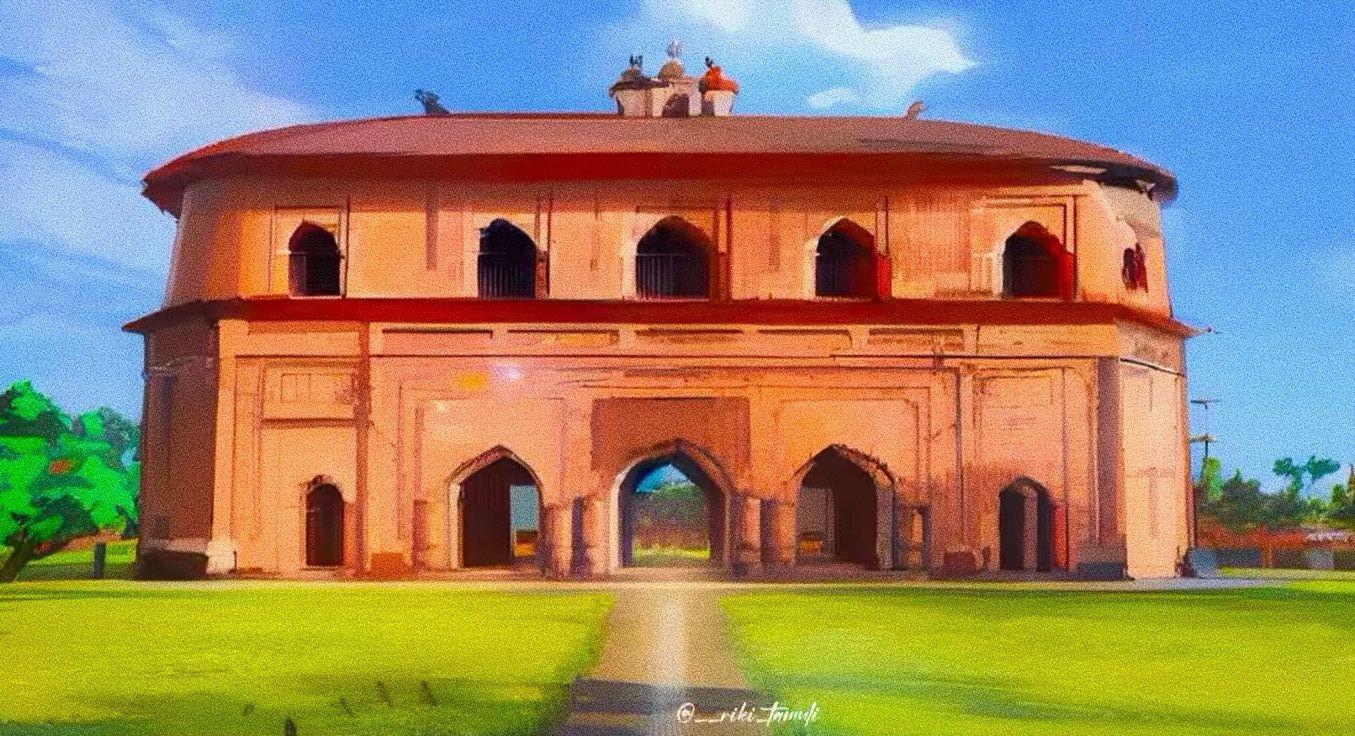
Assam is one of the seven states in the northeastern part of the country and offers visitors stunning scenery and vibrant people. Lush tea gardens, the mighty river Brahmaputra, popular fairs and festivals, modern cities, culture, tradition and colourful lifestyles are the specialities of Assam. This article looks at the geographical importance of Assam, its historical development, and the need to conserve its heritage.
Geographical location and significance
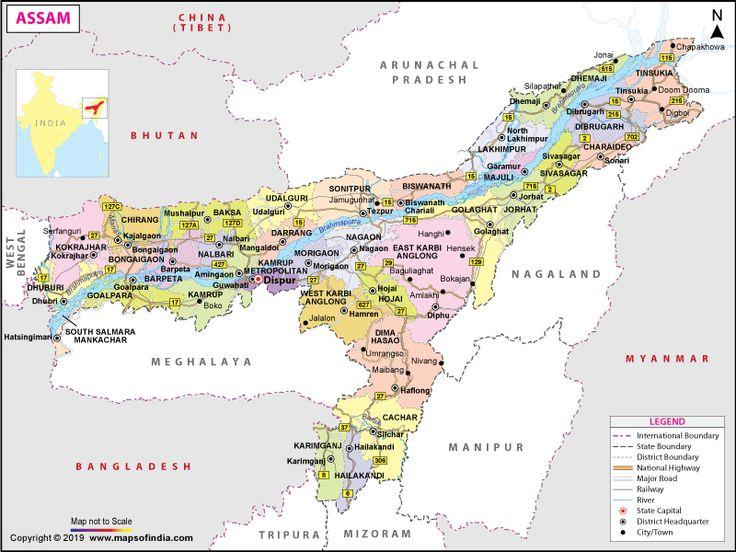
Assam, the gateway to northeast India, lies on the international borders of Bhutan and Bangladesh. It borders Arunachal Pradesh in the north, Nagaland and Manipur in the east, Meghalaya, Tripura and Mizoram to the south and West Bengal in the west. The Brahmaputra River, one of the biggest in the world, runs through the state, providing fertile agricultural plains and a great variety of flora and fauna.
The state’s terrain takes in large areas of tea plantations, hills, forests, rivers and extensive swamps and wetlands. These natural blessings shape not only the landscape of Assam but also its economic profile, which rests largely on agriculture, tea plantations and crude oil refineries. Assam’s ecosystems, especially the Kaziranga and Manas National Parks, are known internationally for endangered species such as the one-horned rhinoceros and the Bengal tiger.
A brief history and cultural evolution
The history of Assam has always been a tale of dynasties and invasions, followed by the intermingling of cultures. The earliest known inhabitants of the region were the Austro-Asiatic, Tibeto-Burman and, later, Indo-Aryan peoples. Of all the influences on the cultural and political development of the region, the Ahom dynasty, which ruled for nearly six centuries from the 13th century, can be described as the most significant. The Ahoms brought many changes to administration, and their reign is also credited with integrating many ethnic groups into one society.
In the medieval period, Vaishnavism came to the fore under the steady leadership of Srimanta Sankardeva, a saint-scholar who awakened Assamese social and cultural unity through his preaching, his works and the founding of the Satra system. Literature, art and dance also gained new dimensions during this period, and forms such as Sattriya emerged as part of Assamese culture.
British colonial rule changed Assam profoundly by introducing tea plantations and railways. This also brought social and political transformation, and the local people became directly involved in the Indian freedom movement. Since independence, too, Assamese society has not stood still; it has grown alongside its traditional setting, responding to the modern demands of the world and the concern for development.
Why conserving Assam’s heritage matters
The state’s cultural and historical background is of great value and explains its character. Preserving this heritage is crucial for several reasons:
Cultural identity and continuity. The culture of the people of Assam, including their dialects and the languages they speak, is central to who they are. These must be maintained in order to keep the continuity between the origins of the past and today’s cultural practices.
Tourism and economic benefits. Authentic cultural and historical monuments, fairs and festivals, and wildlife draw fascinated tourists from every corner of the Earth to the state of Assam. Sustaining these attractions serves the tourism industry and at the same time provides a source of income for local people.
Educational value. The rich history and culture of the state of Assam have much to offer scholars, historians and students alike. Sustaining landmarks and traditions is important so that future study and learning remain possible.
Environmental conservation. The traditions that Assam has preserved are not only cultural but environmental as well. It is vital to save places such as Kaziranga and Manas in order to preserve biodiversity and keep the world’s ecosystems stable.
Fostering unity and social cohesion. Assam is home to many different ethnic and cultural groups, and protecting their traditions also helps hold society together, because people come to accept each other’s differences.
Challenges and the way forward
The task of protecting the historical and architectural properties of Assam is clearly important, and it faces several difficulties. The major threats identified include rapidly growing cities, environmental problems and socio-political instability. The problem is made worse by inadequate funding for the infrastructure needed to support conservation work.
To confront these issues, a many-sided intervention is needed. This includes:
Government initiatives. The management and strict enforcement of laws and measures that safeguard cultural and natural heritage.
Community participation. Involving local communities so that they have a stake in the preservation process and contribute to the effort.
Awareness and education. Raising public concern about the need to preserve historical and cultural assets through advocacy and outreach plans such as seminars.
Sustainable tourism. Creating low-impact tourism that does minimal harm to the physical or the cultural landscape.
The history of Assam is one of the most significant and diverse aspects of the present-day state, and it carries great cultural, historical and even ecological significance. Through such many-sided measures, Assam will be in a position to safeguard this cultural capital and make it serve the development and growth of generations to come, with a much greater awareness of its value.