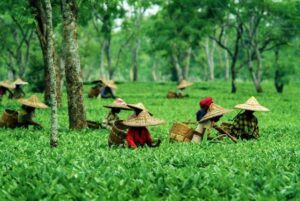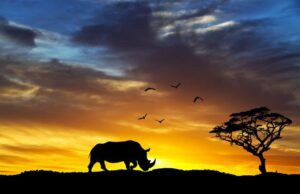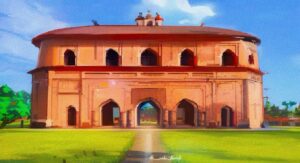
Majuli Island, nestled in the heart of the Brahmaputra River in Assam, India, holds the distinction of being the world’s largest river island. Covering a remarkable 352 square kilometres, the island is not just a geographical marvel but also a cultural and ecological treasure. Majuli’s unique heritage, combined with its rich biodiversity, makes it a compelling destination for anyone wanting to explore the meeting point of natural beauty and cultural wealth.
A glimpse into Majuli’s cultural heritage
Majuli is famed for its vibrant cultural heritage, which is deeply linked with the Assamese way of life. The island is the centre of Vaishnavite culture in Assam, largely because of the efforts of the revered 15th-century saint Srimanta Sankardeva. He established numerous “satras”, or monasteries, on the island, and these have become the custodians of Assamese art, literature, music, dance and drama.
The satras are not just religious institutions; they are cultural centres where traditions such as the classical dance form Sattriya are preserved and performed. Sattriya, a classical dance recognised by the Sangeet Natak Akademi, originated in Majuli. The dance, along with other cultural practices such as Bhaona (theatrical performances) and Ankia Naat (one-act plays), is part of the island’s identity and continues to draw visitors and scholars alike.
One cannot discuss Majuli without mentioning its lively festivals. The Raas Mahotsav, celebrated with great fervour, showcases the island’s rich cultural tapestry. During this festival the island comes alive with colourful performances depicting scenes from Lord Krishna’s life, attracting devotees and visitors from near and far.
Ecological significance of Majuli
Majuli’s ecological importance is as profound as its cultural heritage. The island is a biodiversity hotspot with a wide variety of plants and animals. It serves as a critical habitat for many species of birds, both resident and migratory. During the winter months, birdwatchers flock to Majuli to witness the spectacular sight of migratory birds such as the Siberian crane, pelicans and various species of ducks making the island their temporary home.
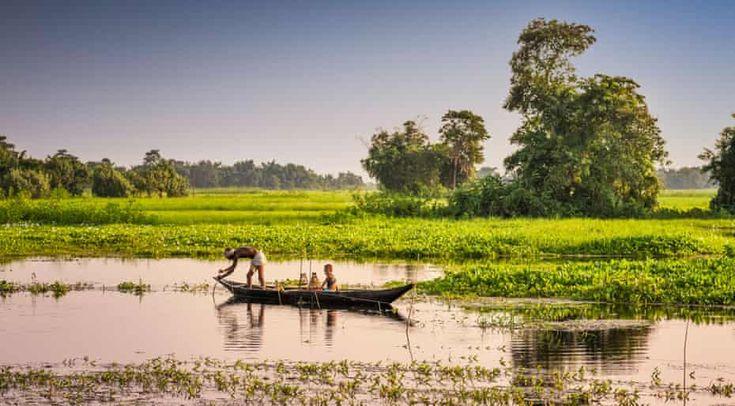
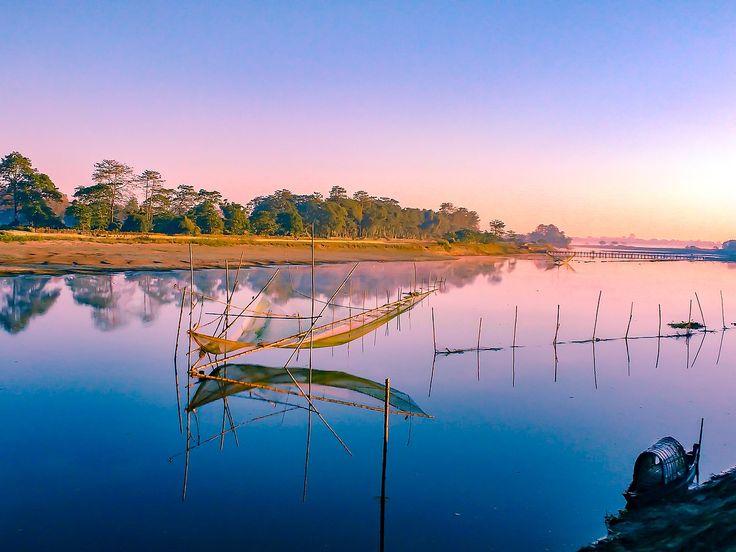
The wetlands, bamboo groves and paddy fields of Majuli add to its ecological richness. The island’s landscape is dotted with water bodies that support a range of aquatic life. These ecosystems are not only essential for maintaining biodiversity but also play a crucial role in supporting the livelihoods of the island’s residents, who depend on fishing and farming.
However, Majuli’s ecological balance is fragile and faces serious threats. The island is prone to severe erosion caused by the shifting course of the mighty Brahmaputra. This erosion has led to a significant reduction in the island’s size over the years, posing a major threat to its unique ecosystem and cultural heritage. Efforts are being made to combat the erosion through various conservation projects, but the challenge remains formidable.
Sustainable tourism and conservation efforts
Recognising the need to preserve Majuli’s unique heritage and ecological balance, there has been a growing focus on sustainable tourism and conservation. Various organisations and the local community are working together to promote eco-friendly tourism practices that minimise environmental impact while providing economic benefits to residents.
Tourism in Majuli centres on experiencing the island’s natural beauty and cultural wealth. Visitors can stay in eco-friendly accommodation, take part in cultural activities at the satras and explore the island’s diverse ecosystems. Community-based tourism initiatives are being promoted to make sure that tourism development is inclusive and benefits the local population.
Conservation efforts in Majuli are wide-ranging, focusing on protecting the island’s biodiversity, controlling erosion and preserving its cultural heritage. Reforestation projects, sustainable farming practices and awareness campaigns about the value of conservation are some of the measures being taken to secure Majuli’s future.
Majuli Island is a testament to the harmonious coexistence of nature and culture. Its unique heritage and ecological importance make it a place of immense value, not just for Assam but for the world. As we continue to face the challenges of environmental degradation and cultural preservation, Majuli stands as a symbol of resilience and a reminder of the delicate balance that sustains our natural and cultural landscapes. Exploring Majuli is not just a journey into the heart of Assam but a journey into the soul of a land where heritage and ecosystem are inseparably linked.