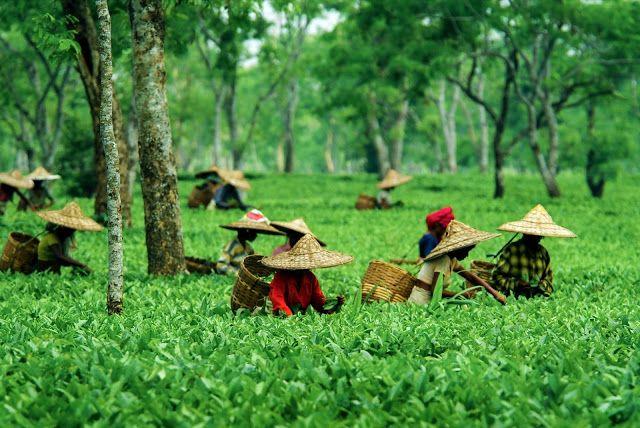
The lush tea gardens of Assam, with their vast stretches of green, represent much more than a picturesque landscape; they are the heart of India’s tea industry and a cornerstone of Assam’s heritage and economy. The story of Assam’s tea gardens is one of colonial enterprise, cultural evolution and economic transformation that has left an indelible mark on the region.
Historical roots of Assam tea
The history of Assam tea goes back to the early 19th century, when the British East India Company sought to break China’s monopoly on tea production. In 1823 Robert Bruce, a Scottish adventurer, found native tea plants (Camellia sinensis var. assamica) growing wild in the Assam region. This discovery set the stage for the establishment of Assam as a major tea-producing area.
The first tea plantations in Assam were set up in the 1830s under British supervision. The Assam Tea Company, formed in 1839, played a crucial role in the commercial cultivation and expansion of tea gardens. These early plantations, located mainly in the districts of Upper Assam, laid the groundwork for what would become one of the largest tea industries in the world.
The cultural significance of tea in Assam
Tea cultivation in Assam is not simply an agricultural activity; it is deeply embedded in the region’s cultural fabric. The tea gardens have shaped the social and cultural landscape of Assam in countless ways. The introduction of tea plantations brought a considerable influx of workers from various parts of India, especially the tribal areas of central India. These workers, known as “Adivasis”, added to the cultural diversity of Assam, enriching it with their unique customs, festivals and languages.
The tea plantations are often self-contained communities, with their own schools, hospitals and places of worship. This close-knit setting has fostered a distinctive tea garden culture, marked by a blend of Assamese and tribal customs. Festivals such as Durga Puja, Bihu and Tusu Puja are celebrated with great enthusiasm, reflecting the cultural mix within these communities.
The art and music of the tea garden workers hold a place in Assam’s cultural heritage. The traditional folk songs known as “Jhumur”, sung by the tea workers while plucking tea leaves, are part of Assam’s cultural identity. These songs, with their rhythmic beats and expressive lyrics, offer a glimpse into the lives and feelings of the tea garden communities.
The economic impact of the tea industry
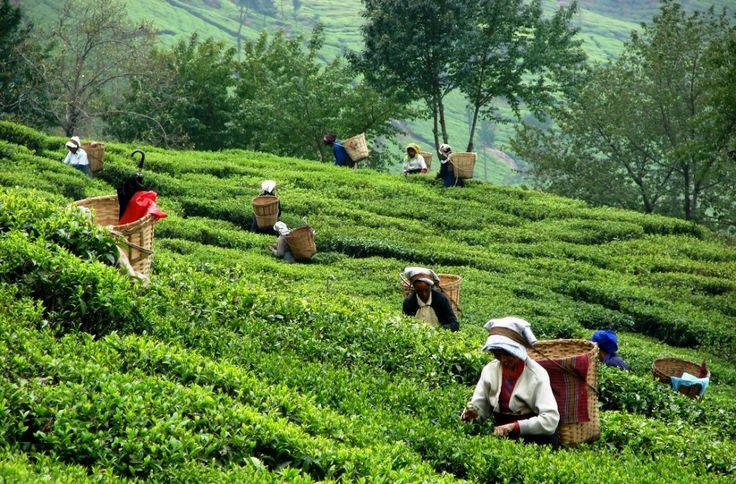
The economic value of the tea industry to Assam cannot be overstated. Assam produces the majority of India’s total tea output and is renowned worldwide for its strong, rich tea, commonly known as Assam tea. The industry is a major source of employment and revenue for the state, employing over a million people and indirectly supporting many more.
Tea exports from Assam contribute significantly to India’s foreign exchange earnings. The state’s economy is heavily dependent on tea, with the industry playing a key role in both its agricultural and its industrial sectors. The annual Assam tea auction, held in Guwahati, is one of the largest tea auctions in the world, drawing international buyers and further cementing Assam’s position in the global tea market.
Along with its economic benefits, the tea industry has stimulated infrastructure development in Assam. Setting up the tea gardens required the construction of roads, railways and ports, encouraging better connectivity and trade. This growth in infrastructure has had a cascading effect on other sectors, contributing to the overall development of the region.
Challenges and future prospects
Despite its considerable contributions, the tea industry in Assam faces a number of challenges. Fluctuating global tea prices, rising production costs and climate change are major concerns for tea garden owners and workers alike. The industry’s heavy reliance on manual labour, often in difficult working conditions, has also drawn attention to labour rights and welfare concerns.
Efforts are being made to meet these challenges through innovation and diversification. The mechanisation of tea plucking, the introduction of sustainable farming practices and the exploration of new markets are some of the strategies being used to secure the long-term viability of the industry. There is also a growing focus on value-added products such as organic and speciality teas, which cater to niche markets and offer higher profit margins.
Tourism is another avenue being explored to improve the economic prospects of the tea gardens. Tea tourism, which involves visits to tea estates, tea-tasting sessions and stays in heritage bungalows, is gaining popularity. This not only provides an additional income stream for tea estates but also promotes Assam’s rich cultural heritage to a wider audience.
The tea gardens of Assam are more than just plantations; they are living embodiments of the region’s history, culture and economic strength. From their colonial beginnings to their role in shaping Assam’s socio-economic landscape, the tea gardens have been at the heart of the state’s journey. As the industry navigates modern challenges and explores new opportunities, the legacy of Assam’s tea gardens continues to grow, steeped in tradition yet ever-evolving.