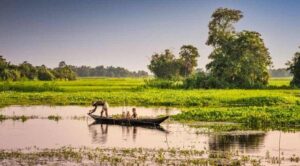
Assam, one of the states of the northeastern region of India, is among the most beautiful geographical regions in the world and is endowed with biodiversity hotspots. Set in the lap of the Eastern Himalayas, Assam boasts forests, hills and numerous rivers and wetland systems that support a rich and diverse wildlife. The region has the right ecological conditions to sustain lush, varied vegetation and wildlife, and for this reason it has become famous around the world among ecotourists, wildlife lovers and researchers.
An outline of the major biodiversity of Assam
The biodiversity of Assam is quite incredible, given the variety of species and the unique environments found there. This rests on the different ecosystems of the state, which include tropical rainforest, deciduous and temperate broad-leaved forest, grassland and wetland regions. The variety of plant life has in turn supported many different kinds of animals, several of which are now on the endangered list.
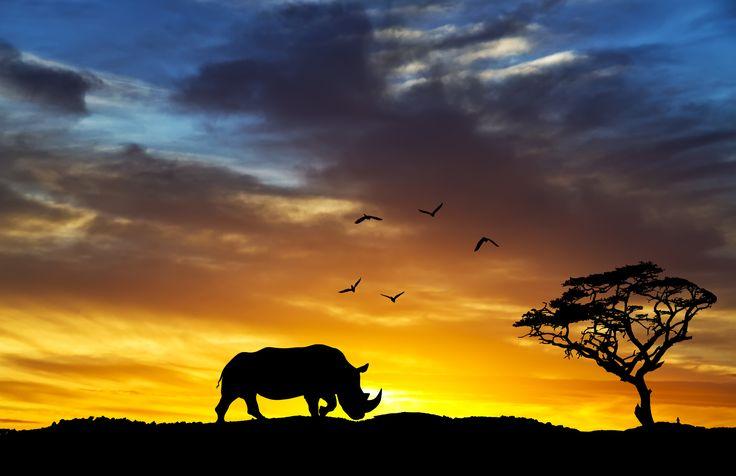
Some of the most charismatic species are found in Assam. Of these, the Indian rhinoceros, or one-horned rhinoceros, has almost come to represent the wildlife tourism of Assam. Tigers, elephants, leopards and clouded leopards are also found in the state, representing Asia’s magnificent mammalian fauna. The region is home to the hoolock gibbon, the only ape of the Indian subcontinent, and to the golden langur of Assam and Bhutan. Tremendous numbers of birdwatchers throng to Assam for its more than 800 bird species, many of them migratory birds that arrive in the state during the winter season.
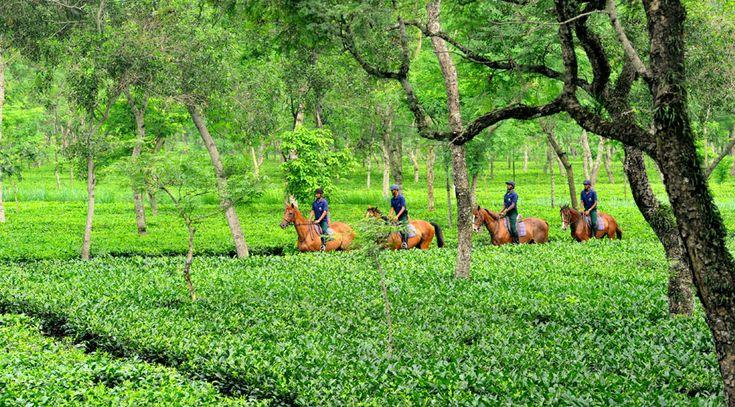
Wildlife sanctuaries and national parks
Assam’s commitment to wildlife conservation is evident in its network of national parks and wildlife sanctuaries. These protected areas play a crucial role in preserving the state’s rich biodiversity and providing safe havens for its wildlife.
Kaziranga National Park
Of all the protected areas of Assam, Kaziranga National Park has become the most famous, having been listed as a World Heritage Site. Kaziranga lies in the plains of Assam and extends over an area of about 430 square kilometres. It is famous for its remarkable number of greater one-horned rhinoceroses; more than two-thirds of the world’s population of the species lives in the park. The park’s fauna also includes tigers, elephants, wild buffalo, swamp deer and wetland birds, among others, all of which thrive in its grasslands and wetlands. Because of this success in rhino conservation, Kaziranga has become an example for the protection of wildlife anywhere in the world.
Manas National Park
Manas National Park, also declared a World Heritage Site by UNESCO, lies on the Assam–Bhutan border at the foothills of the Himalayas. Manas is known everywhere for its rich biodiversity and its scenic beauty. Species found in the park include the Assam roofed turtle, the hispid hare, the golden langur and the pygmy hog, all of which are on the brink of extinction. It is also a tiger reserve under Project Tiger and provides habitat for the Bengal tiger. These habitats include grassland, woodland, riverine forest and other kinds of vegetation and terrain, with the wildlife that goes with them.
Nameri National Park
Nameri National Park, in the Sonitpur district of Assam, is one of the state’s important ecological sites, famous for its untouched scenic beauty and rich biodiversity. The park lies within the Eastern Himalayan biodiversity hotspot and is home to a wide range of flora, fauna and birds. It is most noted for birding: over 300 species of birds have been confirmed here, among them the white-winged wood duck, which is seriously threatened with extinction. The park’s riverine habitats and mature moist hardwood climax forest support forms of ecotourism such as river rafting and birdwatching.
Dibru-Saikhowa National Park
Dibru-Saikhowa National Park, in the lower Brahmaputra and Lohit valley, is famous as a wetland biogeographical zone. It is regarded as a bird’s paradise and is home to several threatened birds such as the Bengal florican and the white-bellied heron. Feral horses, domesticated animals that were turned loose in the park, are also among its inhabitants, alongside many other animals and plants. The wetlands and riverine forests of the park are important in sustaining these and many other species.

Conservation efforts and ecotourism
Wildlife conservation in the state of Assam has been effective in its cause. Several schemes have been introduced by the state government, non-governmental organisations and international organisations to secure and maintain the conservation of wildlife habitats. These include measures against poaching, conscious effort by the community, and work to restore the habitats of endangered species such as the greater one-horned rhinoceros and the Bengal tiger.
Ecotourism has become popular and offers a way of conserving natural resources while at the same time benefiting local people. Assam’s tourism, besides its beautiful places of historical interest and architectural splendour, includes wonderful wildlife locations in its national parks and wildlife sanctuaries, which offer wildlife safaris, birdwatching tours, river rafting, nature tours and more. These activities give guests a chance to experience the nature of Assam and to become aware of what its protection requires.
Assam, then, is home to some of the most magnificent creatures of nature and is crowned with a diversity that needs to be preserved and kept sustainable. The national parks and sanctuaries across the state act as home to its diverse species, and ongoing conservation and ecotourism make sure that this beauty is passed on to the next generations. While appreciating God’s own gift, the natural beauty of Assam, we must stay committed to sustaining the efforts that maintain the ecological balance and wildlife of this place.