Assam, a state in north-eastern India, is known for its rich cultural heritage and vibrant traditions. Among the many elements of its cultural identity, traditional Assamese attire stands out for its style, elegance and symbolic value. The Mekhela Chador in particular is the quintessential attire of Assamese women, reflecting the region’s unique textile artistry and cultural values. But traditional clothing in Assam goes beyond the Mekhela Chador, taking in a range of garments that together highlight the diversity and heritage of the state.
The Mekhela Chador: an iconic ensemble
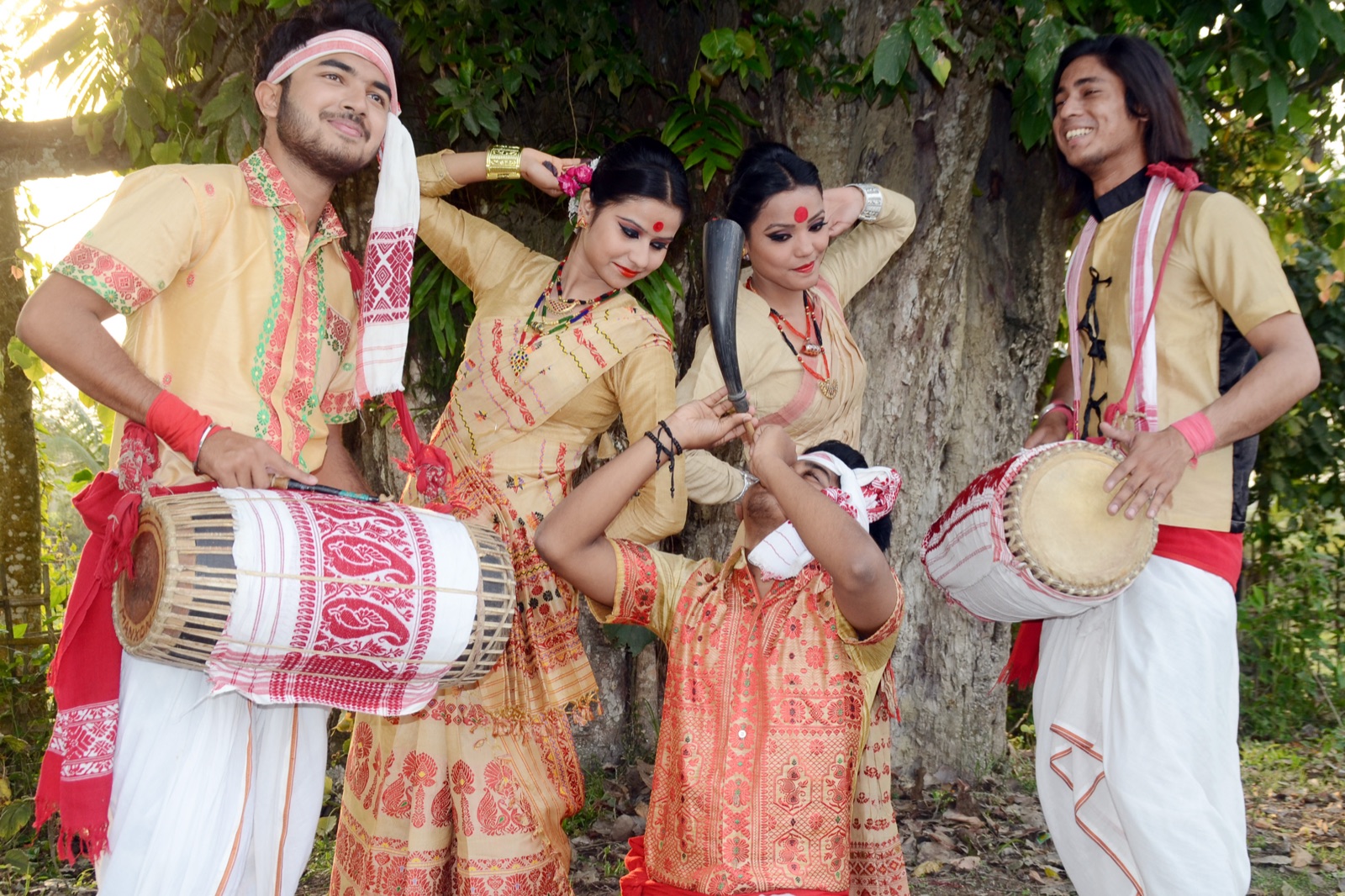
The Mekhela Chador is the traditional attire of Assamese women and consists of two pieces of cloth. The “Mekhela” is a cylindrical skirt that is draped around the waist and tucked in, while the “Chador” is a long piece of cloth draped over the upper body. The outfit is often accompanied by a blouse called a “Riha”, which is worn under the Chador.
What sets the Mekhela Chador apart is its intricate designs and exquisite craftsmanship. Usually made from silk, such as Muga, Pat or Eri silk, these garments are handwoven with elaborate patterns that often depict motifs inspired by nature, folklore and Assamese culture. Muga silk in particular is highly prized for its natural golden colour and durability, earning Assam the name “Land of the Golden Silk”.
The weaving of the Mekhela Chador is an age-old practice that has been passed down through generations. The craft is carried out mainly by women, who skilfully work handlooms to create these beautiful garments. The weaving process is labour-intensive and calls for a keen eye for detail, making each piece a work of art.
The cultural significance of the Mekhela Chador
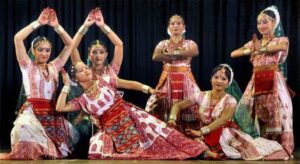
The Mekhela Chador is more than just a garment; it is a symbol of Assamese identity and pride. It is worn on all kinds of occasions, from daily wear to weddings, festivals and religious ceremonies. During the Bihu festival, one of Assam’s most important cultural celebrations, women wear vibrant Mekhela Chadors to take part in traditional dances and rituals.
The Mekhela Chador also plays a significant role in Assamese weddings. The bride usually wears a beautifully woven silk Mekhela Chador, often embellished with gold and silver threads, reflecting the region’s richness and artistic heritage. The attire is considered auspicious and is believed to bring good luck to the newlyweds.
Along with its cultural and ritual value, the Mekhela Chador is also a testament to the social and economic fabric of Assam. The weaving industry provides a livelihood for countless artisans, especially women, and plays a vital role in sustaining the rural economy. By preserving and promoting traditional weaving practices, Assam not only protects its cultural heritage but also empowers its artisans.
Beyond the Mekhela Chador: other traditional attire
While the Mekhela Chador is the most famous traditional attire, Assam boasts a diverse range of garments that vary by region, community and occasion. For example, the “Gamosa” is a multi-purpose cloth that holds cultural and symbolic value in Assamese society. Usually white with red borders, the Gamosa is used as a towel, a scarf, a blessing, and even a sign of respect and welcome.
The “Dokhona” is another traditional garment, worn mainly by the Bodo community of Assam. It is a single piece of cloth draped around the body, similar to a saree, and is usually paired with a blouse. The Dokhona is typically adorned with lively patterns and motifs reflecting the Bodo community’s rich textile tradition.
For men, traditional Assamese attire consists of the “Dhoti” and the “Kurta”. The Dhoti is a long piece of cloth wrapped around the waist and legs, while the Kurta is a long shirt. During festive occasions and ceremonies, men also wear the “Seleng”, a kind of silk stole draped over the shoulder.
The evolution of traditional attire
While traditional Assamese attire remains deeply rooted in the region’s cultural heritage, it has also evolved to adapt to modern fashion trends. Contemporary designers and fashion enthusiasts are reimagining traditional garments, incorporating elements of the Mekhela Chador, the Gamosa and other traditional attire into fusion wear that appeals to the younger generation. This blending of tradition and modernity helps keep the heritage alive while making it relevant to today’s fashion landscape.
Efforts to promote Assamese textiles on national and international platforms have also gained momentum. Fashion shows, exhibitions and online marketplaces showcase the beauty and craftsmanship of Assamese attire, bringing it to a wider audience and fostering appreciation for the region’s rich textile heritage.
Traditional Assamese attire, embodied by the Mekhela Chador, is a vibrant expression of the state’s cultural identity and artistic legacy. Beyond the Mekhela Chador, a range of garments reflects the diversity and richness of Assam’s textile traditions. As these traditional attires continue to evolve and adapt, they remain a vital part of Assam’s heritage, embodying the harmony between cultural preservation and modern innovation. Through the threads of these garments, the story of Assam’s past, present and future is woven, celebrating the region’s distinctive and enduring cultural tapestry.