Assam, one of the states in the northeastern part of India, has a long history and is culturally very diverse. The state is a good example of how ethnic identity can be shared rather than contested: it is made up of so many ethnic groups that none of them can feel dominant. This article gives an insight into the cultural variety of Assam, where Bihu, Bohag Bihu and Durga Puja are long-standing traditions, and into the influence of its different communities and their customs.
How the many cultures of Assam are practised
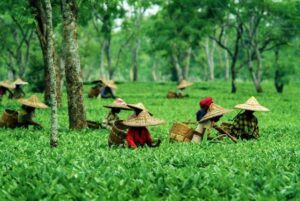
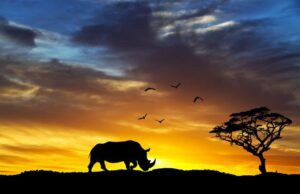
Tea gardens, hills and the mighty river Brahmaputra make up the geography of Assam, but culturally the state is just as rich and varied. It is home to many ethnic groups, among them the Assamese, the Bodos, the Mishings, the Rabhas and others. Each community has its own culture, traditions and language, which makes the state culturally very colourful.
It is also worth noting that sociability and social cohesion are deeply rooted values among Assamese people. Festivals and cultural activities are common events, which people of every status and age are always happy to celebrate. Singing, dancing and painting are part of these occasions, because music, dance and painting are among the ways in which art is expressed, and the richness of the region in this respect can be seen in them.
Traditional festivals: Bihu, Bohag Bihu and Durga Puja
Festivals have always been an inherent part of the identity of the Assamese people, shaped by their farming background and moulded by religion. The most famous festivals observed in Assam are Bihu, Bohag Bihu and Durga Puja, some of the most important and joyous festivals celebrated in this part of the world.
Bihu is the biggest festival of Assam and is observed three times a year, as Rongali Bihu, Kongali Bihu and Bhogali Bihu. Rongali Bihu, which takes place in mid-April, is perhaps the most significant for the people of Assam because it marks the start of a new year and the arrival of spring. It is a lively phase in which celebration and light are added in the form of music and dance, followed by a feast. It is a time when children dress in new clothes and exchange gifts, and everyone takes part in the various community activities that build unity.
Kongali Bihu, celebrated in October, is a more serious occasion because of its place in the farming calendar. It is a time for prayers to ensure a good harvest, and lamps are lit. Bhogali Bihu, held in the month of January, marks the completion of the harvest. It is associated with plenty, and community feasts, games and bonfires are the other hallmarks of the festival.
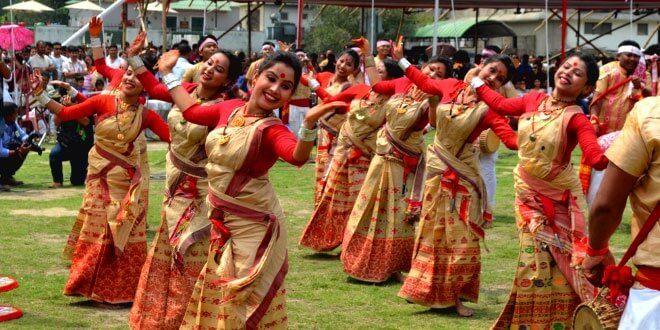
Bohag Bihu. Bohag Bihu, also popular as Rongali Bihu, is the biggest Bihu among the three. It marks the onset of the Assamese calendar, the new year and the spring season, when the fields are fresh with new crops. The festivities that accompany it go on for several days and begin with Goru Bihu, the day for the cattle. Agriculture is respected, and people wash and even decorate their cattle.
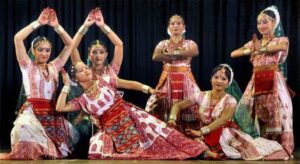
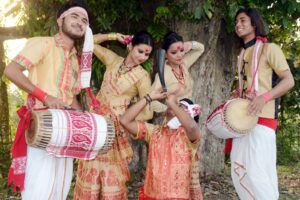
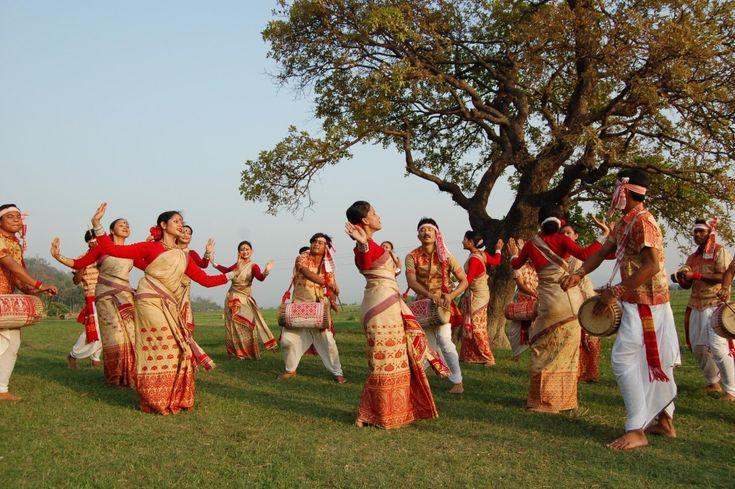
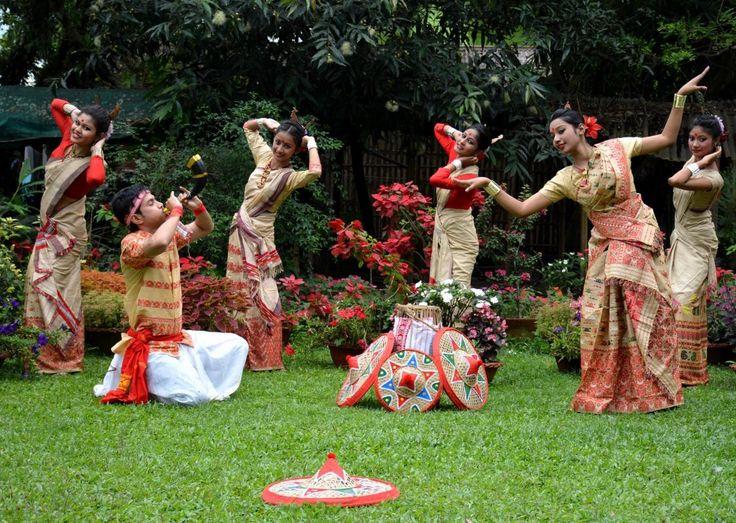
The next several days are filled with merrymaking, and Bihu dances and songs are performed in every village. The Bihu dance has fast steps and lively beats and is an excellent example of the region’s rich culture. It is performed by young men and women clad in traditional costumes, the dancers standing for youth and fertility. Bihu geets are simple songs about love, nature and, above all, country life.
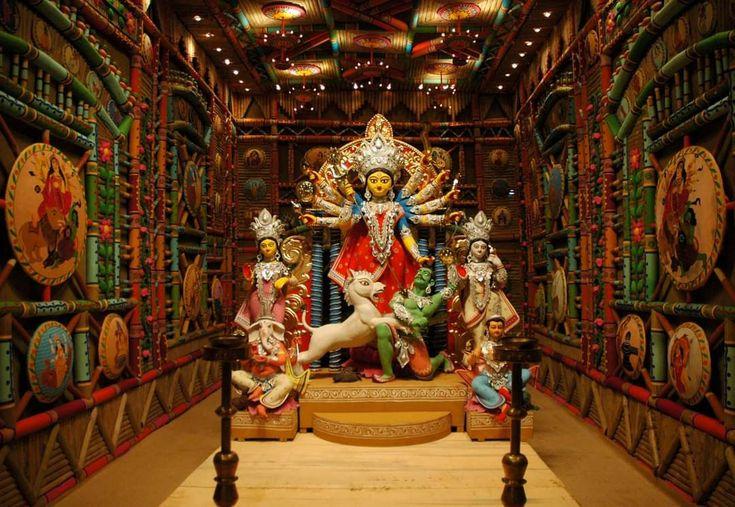
Durga Puja. The other important festival of Assam is Durga Puja, which is also celebrated with great enthusiasm and faith. Although it is a festival mostly of the Hindu community, it is observed and joined by other communities in society. The festival, also called Vijayadashami, marks the victory of the goddess Durga over the demon Mahishasura, standing for the victory of good over evil.
Durga Puja is celebrated with great enthusiasm and preparation, with lovely idols of the goddess placed in gorgeously decorated pandals. The air vibrates with the rhythm of drums, conches and devotional songs, which together create a festive mood. Men and women dress in their finest for pandal hopping and the other cultural programs that go with the festival. The event brings togetherness and a shared sense of culture, and so is a true portrait of the ethnic character of Assam.
Influence of different communities and their customs
The culture of Assam is the product of many societies coming together. Because of Assam’s location, people from many different cultures have settled there, and each has its own practices. The largest group is the Bodos, who have their own distinctive festivals, dances and songs that add to the cultural wealth of Assam. Another ethnic group that contributes greatly to the culture of Assam is the Mishing people, who are known for their bright clothing and handmade ornaments.
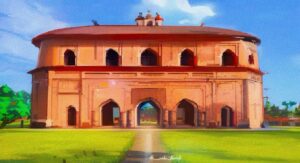
The Rabhas, with their own language and cultural differences, and the Karbi people, popular for their weaving and other handmade articles, make the cultural composite of Assam still more colourful. The Ahoms, who ruled Assam for six hundred years, contributed immensely to the social and cultural development of the state by introducing new methods of agriculture, new styles of architecture and new patterns of social behaviour.
Assam’s neighbours, West Bengal, Nepal and Bhutan, have also left their mark on the culture of the Assamese people. This blending has created a new culture in the state, as is evident in its food, music and even its arts.
Assamese society takes pride in displaying a perfect blend of the traditions, customs and practices that have grown up in the region over time. Festivals such as Bihu, Bohag Bihu and Durga Puja are celebrations of unity and togetherness, while the presence of so many different communities gives Assamese culture its remarkable variety. As society changes, and so that this cultural richness can be passed on to the next generations, it is very important to maintain and promote the core cultural heritage of Assam.