In recent years, environmental activism has become a central focus of global efforts to address climate change, deforestation, pollution and biodiversity loss. At the forefront of these movements, women have emerged as powerful leaders, advocating for sustainable practices and protecting vulnerable ecosystems. The intersection of environmentalism and feminism, known as ecofeminism, highlights the connection between the exploitation of nature and the oppression of women, while also underscoring the vital role women play in advocating for environmental justice.
Ecofeminism brings a distinctive perspective to environmental activism by linking ecological degradation with the patriarchal structures that oppress both women and the environment. This philosophy, which gained prominence in the 1970s, argues that the same systems of domination that exploit natural resources also marginalise women, particularly in developing regions. As a result, ecofeminism is not only a call to protect the environment but also a movement for social justice, equity and gender equality.
The origins of ecofeminism
The concept of ecofeminism was first introduced by the French feminist Françoise d’Eaubonne in 1974, who argued that the liberation of women was intrinsically linked to the liberation of nature. She asserted that patriarchal structures treat women and nature as resources to be exploited, and that environmental degradation and gender inequality are deeply connected. Ecofeminism thus emerged as a critique of both environmental destruction and the systems of power that marginalise women.
In the years since, ecofeminism has grown into a broader movement, with women around the world taking up leadership roles in environmental activism. Whether fighting deforestation in the Amazon, advocating for renewable energy or organising community clean-up projects, women have become central to efforts to combat climate change and protect the planet for future generations.
Women as stewards of the environment
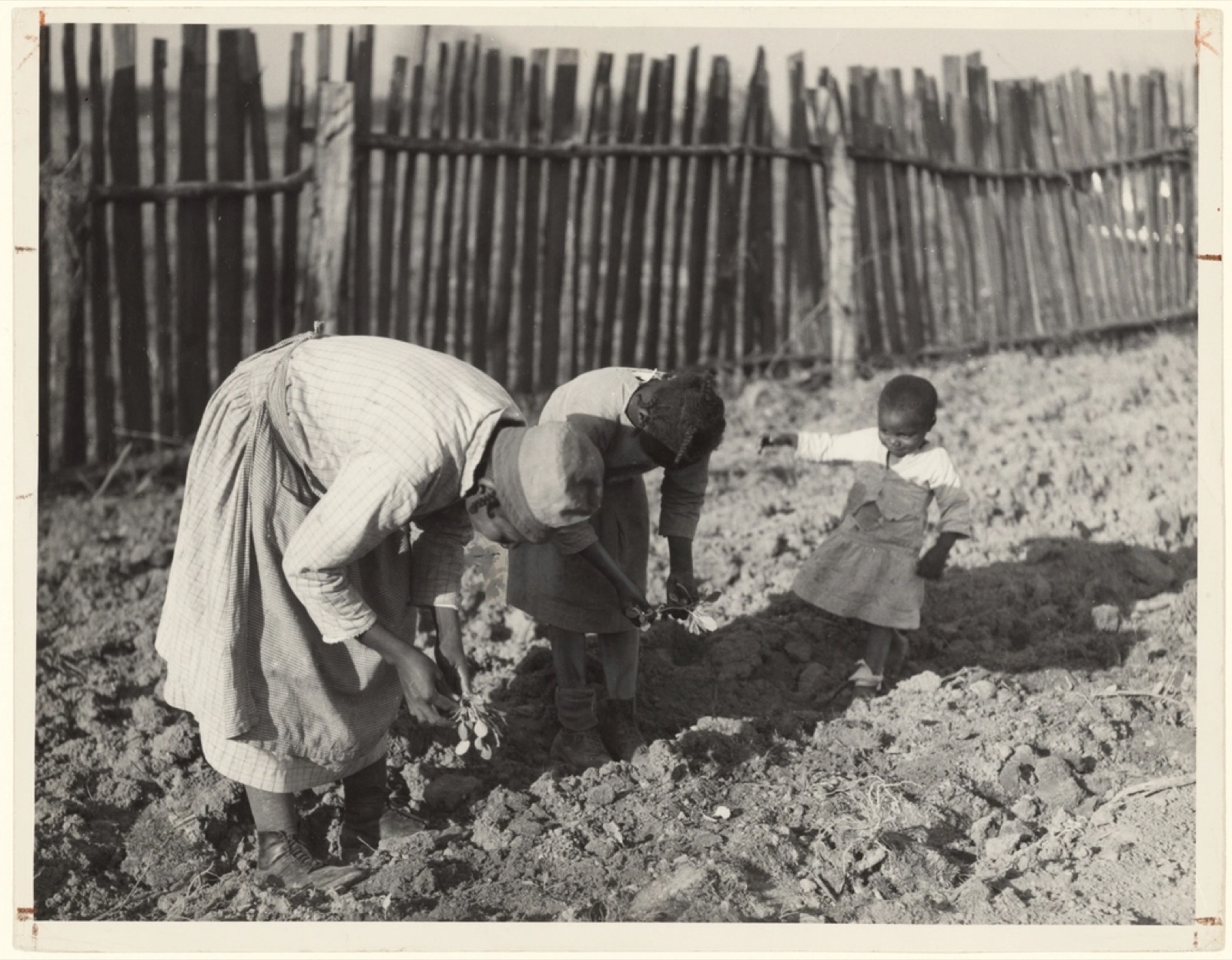
Historically, women have played key roles in managing and sustaining natural resources, particularly in rural communities where daily life is closely tied to the environment. In many parts of the world, women are the primary collectors of water, firewood and food, which makes them acutely aware of environmental change and degradation. As a result, women are often the first to experience the effects of environmental crises such as drought, deforestation or the depletion of local resources.
In developing countries, where women are responsible for gathering essential resources, the destruction of ecosystems directly threatens their livelihoods and wellbeing. This close connection with the environment makes women natural advocates for sustainable practices and conservation. Women are not only the primary caregivers of their families but also stewards of the land, often leading grassroots efforts to protect natural resources.
For example, in sub-Saharan Africa, where climate change has worsened water scarcity and agricultural challenges, women have been at the forefront of sustainable farming practices and water conservation initiatives. These efforts are crucial to adapting to changing environmental conditions and ensuring food security in vulnerable regions.
Women leading environmental movements
Throughout history, women have been at the helm of influential environmental movements, combining activism with a commitment to gender equality. Some of the most notable ecofeminist leaders have made lasting contributions to environmental justice and sustainability.
Wangari Maathai and the Green Belt Movement
One of the most prominent examples of ecofeminism in action is the work of Wangari Maathai, the Kenyan environmentalist who founded the Green Belt Movement in 1977. The movement, which initially focused on planting trees to combat deforestation and soil erosion, quickly grew into a larger effort to empower women and promote environmental sustainability.
Under Maathai’s leadership, the Green Belt Movement trained rural women to plant and care for trees, helping to restore degraded environments while providing them with economic opportunities. The movement addressed both ecological degradation and the marginalisation of women, showing how environmental activism can empower women to improve their lives and their communities.
In 2004, Maathai became the first African woman to win the Nobel Peace Prize, for her environmental and human rights work. Her legacy continues to inspire ecofeminist movements worldwide, demonstrating the power of grassroots activism led by women.
Vandana Shiva and sustainable agriculture
Another influential figure in the ecofeminist movement is the Indian environmentalist Vandana Shiva, a vocal advocate for sustainable agriculture and biodiversity conservation. Shiva’s work focuses on the impact of industrial agriculture and globalisation on small farmers, particularly women, who are often disproportionately affected by environmental degradation.
Shiva has been a leading critic of genetically modified organisms (GMOs) and of industrial farming practices that put profit before environmental sustainability. Through her organisation, Navdanya, she has promoted organic farming, seed sovereignty and food security, empowering women farmers to protect biodiversity and resist corporate control over agriculture.
Her work exemplifies the core tenets of ecofeminism by highlighting the connection between the exploitation of natural resources and the disempowerment of women. By promoting sustainable, community-led agricultural practices, Shiva has shown how women can lead the way in preserving ecosystems and ensuring food sovereignty.
Greta Thunberg and the youth climate movement
While ecofeminism traditionally focused on the intersection of environmental and women’s issues, young female activists such as Greta Thunberg have expanded the scope of environmental advocacy to include intergenerational justice. Thunberg, a Swedish climate activist, gained international recognition for her leadership in the youth climate movement, calling for urgent action on climate change.
Thunberg’s activism has inspired millions of young people around the world to demand climate action from governments and corporations, with a focus on protecting the planet for future generations. Her efforts have brought global attention to the need for systemic change to address the climate crisis, challenging patriarchal systems that put economic growth before environmental sustainability.
Though not explicitly an ecofeminist, Thunberg’s work aligns with ecofeminist principles by emphasising the interconnectedness of social, economic and environmental justice. Her activism represents a new wave of female leadership in environmental movements, demonstrating the critical role women play in shaping the future of environmental advocacy.
Ecofeminism and social justice
At its core, ecofeminism calls for an integrated approach to addressing environmental and social problems. By tackling both the exploitation of natural resources and the oppression of women, ecofeminism seeks to create a more just and equitable world. This philosophy challenges the dominant systems of power that prioritise profit and consumption at the expense of the environment and marginalised communities.
One of the key strengths of ecofeminism is its recognition of intersectionality: the idea that different forms of discrimination, such as those based on gender, race and class, are interconnected and must be addressed together. Women of colour, indigenous women and women from low-income communities often face the worst environmental hazards, such as exposure to pollution, displacement from their land, and lack of access to clean water and air.
Ecofeminism advocates solutions that are both environmentally sustainable and socially just, stressing the need to include women in decision-making at every level of environmental policy. By ensuring that women’s voices are heard and their knowledge is valued, ecofeminism promotes inclusive, community-driven approaches to environmental resilience.
As the world grapples with the growing climate crisis, women’s leadership in environmental activism will become increasingly essential. Ecofeminism offers a powerful framework for understanding the interconnectedness of gender and environmental justice, providing a path forward for building a more sustainable and equitable world.
By championing the rights of both women and the environment, ecofeminist movements are driving meaningful change in communities around the world. From grassroots organising to international advocacy, women are playing a vital role in shaping the future of environmental activism, showing that the fight for gender equality and the fight for environmental sustainability are deeply connected.
The success of ecofeminism lies in its ability to bring together diverse voices and perspectives, recognising that true environmental justice cannot be achieved without addressing the systemic inequalities that affect women and marginalised communities. As women continue to lead the charge in environmental activism, ecofeminism will remain a vital force in the global fight for a healthier, more just planet.