Located in the northeastern part of India, Assam has many historical places and structures that speak of the region’s vibrant culture and history. From ancient temples to magnificent forts, all of these buildings carry the history of Assam: the trials and tribulations involved in their construction, and the struggle that has been carried on to save these historic structures.
Ancient temples: protectors of Assam’s spiritual culture
Assam’s most popular temples are as old as its civilisation itself, and each is a fitting example of the region’s historic religious practices and architectural brilliance. The most sacred of them is the Kamakhya Temple on Nilachal Hill in Guwahati. Dedicated to the goddess Kamakhya, this pilgrimage centre attracts people from across the world, and also offers beautiful natural scenery, including views of the great Brahmaputra River. The temple is built in the Nilachal style, with a dome and intricate carvings that speak of both Assamese and Indo-Islamic styles of architecture.
The Hayagriva Madhava Temple, a shrine in the town of Hajo, is another popular place of pilgrimage for both Hindus and Buddhists. The temple is believed to have been built in the 6th century AD and rests on the pillars of Gupta and Ahom architecture; its walls are carved with sculptures of various gods and goddesses.
Forts and palaces: the surviving touch of Assam’s royals
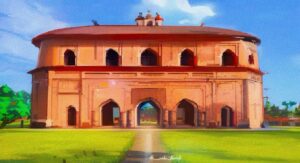
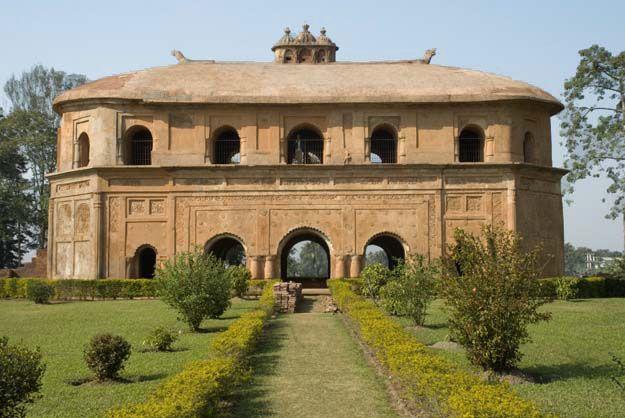
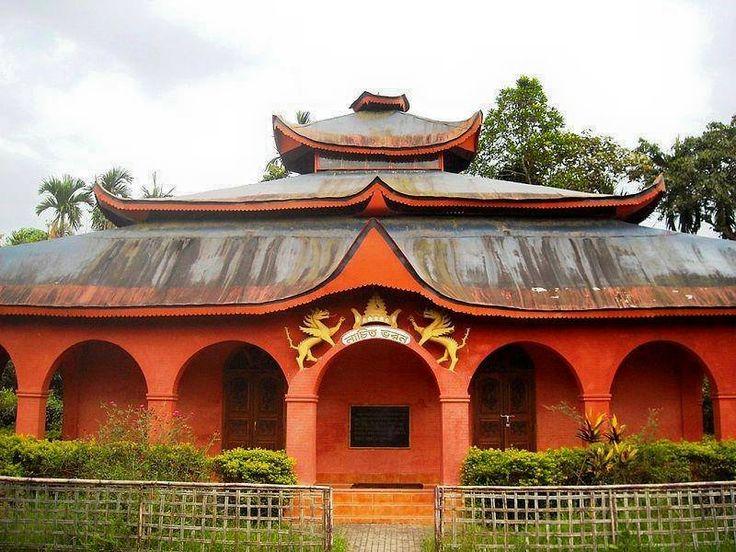
The history of Assam also holds some of the strongest forts and most imposing palace structures, which were once the residences of royalty. Rang Ghar in Sivasagar is one of the oldest surviving examples of an amphitheatre in Asia. This two-storeyed pavilion was built by the Ahom kings in the 18th century and was used mainly as a royal sports pavilion; at the same time, it was an example of how artistic Ahom structures were. Because of its highly symmetrical, stylised eight-sided form and elaborate details, it is considered a remarkable architectural achievement.
There is always a great historical story attached to each place, and in the middle of Tezpur city the Agnigarh Fort has many historical and legendary stories to tell. This fort, built on a hillock, is said to have been constructed by King Banasura to confine his daughter Usha. Today it provides a beautiful view of the Brahmaputra River and the town below, and history enthusiasts and tourists interested in the royal past of Assam visit the place.
Culture and architecture
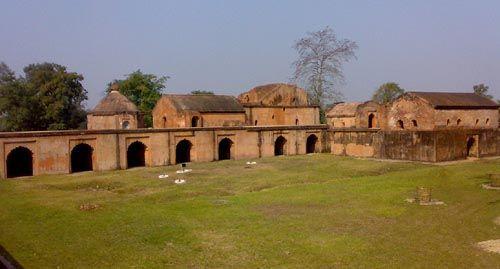
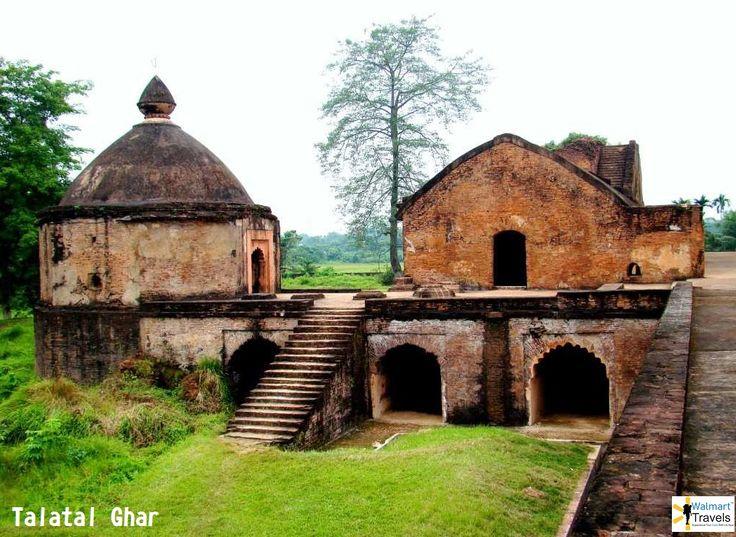
The architectural designs used in the buildings established by the historical kingdoms of Assam combine the traditional methods of the region with features borrowed from neighbouring areas and districts. Ahom architecture relied on stone and brick construction rather than wooden buildings, as seen in many structures such as the Talatal Ghar and Kareng Ghar of Sivasagar. These royal buildings were the palaces of the Ahom kingdom and remain landmarks of Assamese history and culture even today.
Indo-Islamic architecture, on the other hand, is seen in buildings such as the Sivasagar Sivadol, a group of temples dedicated to Lord Shiva. These temples came up during Ahom rule in the region and blend Hindu and Islamic architecture with domes, minarets and arched gateways.
Preservation efforts and challenges
Although Assam’s historical sites recall its glorious past through their distinctive architectural design and meaning, they face numerous problems of protection and conservation. These structures remain at the mercy of natural disasters, climate change and human activities such as encroachment by new construction. Efforts to turn these sites into tourist attractions must therefore go hand in hand with keeping their appearance largely unaltered.
Government bodies, the people living in the area and heritage organisations are working to protect these monuments. Conservation initiatives aim to repair and preserve the structures while increasing the number of people interested in their historical significance. Measures such as photographing architectural features, regular cleaning and the promotion of sustainable tourism practices for the coming generations are some of the ways in which the culture of Assam is being preserved.
In conclusion, Assam’s wealth of history and architecture can be seen not only in the uniqueness of its buildings but also in the depth of religious and cultural significance that its monuments carry. Conserving them ensures that people can read and learn from them, and allows those in the present to experience the past.