Non-governmental organisations (NGOs) have played a crucial role in advancing women’s rights in India, especially in the areas of education, health care, economic empowerment and legal support. With deep roots in local communities and an understanding of grassroots challenges, NGOs often bridge the gap between government initiatives and the real needs of women, particularly in marginalised and rural areas. By advocating for policy change, running awareness programs and offering direct support to women, NGOs have become essential actors in the fight for gender equality and the overall empowerment of women in India.
Addressing gender inequality
In India, women have historically faced deep-rooted gender inequality. It takes many forms, including limited access to education, health care, employment and political representation, and higher rates of violence and discrimination. While the Indian government has introduced numerous schemes and laws aimed at empowering women, the vast diversity of the country and its entrenched patriarchal structures often hinder effective implementation, especially in rural areas. This is where NGOs step in to make a meaningful difference.
1. Promoting education for women and girls
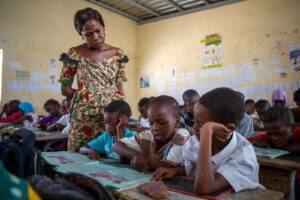
One of the most fundamental areas where NGOs have made a significant impact is in promoting education for girls. Education is the cornerstone of women’s empowerment, and NGOs across India have run programs aimed at increasing school enrolment, reducing dropout rates and promoting literacy among women and girls.
NGOs such as Nanhi Kali and Educate Girls have worked tirelessly to ensure that girls, particularly those from rural and economically disadvantaged backgrounds, receive a quality education. By providing scholarships, school supplies and safe learning environments, these organisations address the barriers that prevent girls from continuing their education. Many NGOs also run community awareness campaigns to shift the traditional mindsets that prioritise boys’ education over girls’.
The effects of education extend beyond individual women. Educated women are more likely to be economically independent, take part in decision-making and advocate for the rights of future generations. They are also better equipped to challenge social norms and contribute to the development of their communities.
2. Health care and reproductive rights
Access to quality health care, especially maternal and reproductive health services, remains a critical issue for women in India, particularly in rural areas. NGOs have stepped in to fill gaps in the health system by providing women with essential health services, education on reproductive rights, and support during pregnancy and childbirth.
Organisations such as SEWA (Self Employed Women’s Association) and the MAMTA Health Institute for Mother and Child work at the grassroots level to improve women’s access to health care. They provide health education, medical check-ups and access to contraception, and they raise awareness about critical issues such as menstrual hygiene, maternal health and infant care. In doing so, they empower women to make informed decisions about their health and wellbeing, improving their overall quality of life.
NGOs have also been instrumental in combating the stigma surrounding reproductive health and family planning, helping women gain more control over their bodies and their reproductive choices. This contributes to their empowerment by allowing them to delay marriage, avoid early pregnancies, and pursue education or work opportunities.
3. Economic empowerment and livelihood opportunities
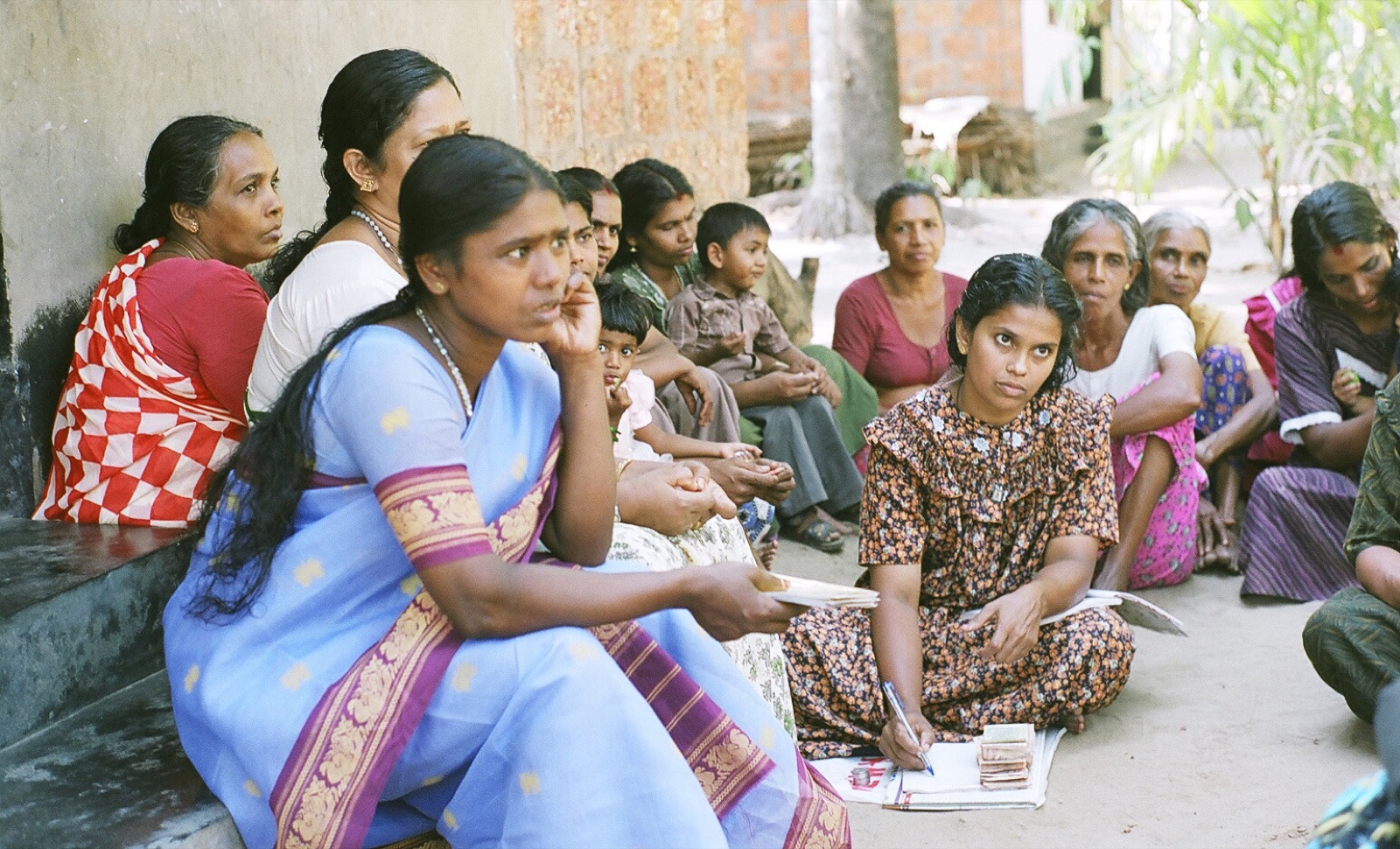
Economic independence is a vital component of women’s empowerment, and many NGOs in India have focused on creating livelihood opportunities for women. Through training programs, microfinance initiatives and self-help groups (SHGs), NGOs have enabled women to gain financial stability and take part in income-generating activities.
Organisations such as SEWA and the Grameen Foundation have been pioneers in promoting economic empowerment, providing women with skills training in sectors such as agriculture, handicrafts and small-scale manufacturing. They also offer financial literacy programs and access to microloans, helping women start their own businesses or expand existing ones. By helping women enter the workforce or set up their own ventures, these NGOs not only improve their economic status but also raise their social standing within their families and communities.
In many cases, the collective power of SHGs has given women greater bargaining power and independence. These groups foster a sense of solidarity, enabling women to share knowledge, resources and experiences, and they often become a platform for discussing other social issues, such as domestic violence and legal rights.
4. Combating gender-based violence
Gender-based violence (GBV) is one of the most pressing issues affecting women’s rights in India. NGOs have been at the forefront of efforts to address violence against women, offering legal aid, counselling, shelter and rehabilitation services for survivors. They also play a critical role in raising awareness of women’s legal rights and advocating for stronger legal protections.
Organisations such as Breakthrough and Jagori run awareness campaigns that challenge the social norms that perpetuate violence against women. These campaigns focus on changing community attitudes towards domestic violence, sexual harassment and dowry practices, while also empowering women to assert their rights. Many NGOs also provide legal aid to women seeking justice, helping them navigate India’s often complex and intimidating legal system.
NGOs also work with government agencies to ensure the effective implementation of laws such as the Protection of Women from Domestic Violence Act (2005) and the Sexual Harassment of Women at Workplace Act (2013). By creating safe spaces and advocating for survivors, NGOs have helped thousands of women regain their dignity and start new lives free from violence.
5. Advocating for policy change
While many NGOs work directly with women in need, others focus on advocacy and policy change at the national and state levels. These organisations use research, data and fieldwork to influence lawmakers and push for reforms that benefit women’s rights.
For example, the Centre for Social Research (CSR) and the All India Women’s Conference (AIWC) have been instrumental in lobbying for policy changes that protect women’s rights in areas such as education, employment and domestic violence. These organisations also provide platforms for dialogue between civil society and the government, ensuring that women’s voices are included in policy discussions.
By advocating for legal reforms and holding the government accountable for the implementation of existing laws, NGOs help create an enabling environment for women’s empowerment in India.
NGOs in India have been vital to advancing women’s rights, particularly in areas where government interventions fall short. Whether through education, health care, economic empowerment, combating violence or advocating for policy reform, NGOs continue to play a critical role in the ongoing struggle for gender equality in India. Their efforts not only empower individual women but also contribute to the broader shift in society towards recognising women’s rights as fundamental to the country’s overall development. As India moves forward, the role of NGOs will remain essential in ensuring that the fight for women’s empowerment reaches every corner of society, from the most remote villages to the largest cities.
\nFeatured image: Jaimoen87, Wikimedia Commons, CC BY-SA 3.0
\n