The shift to a clean energy economy is not simply an environmental imperative; it is also a substantial economic opportunity. As countries around the world speed up their efforts to cut greenhouse gas emissions and embrace renewable energy sources, the job market is undergoing a profound change. Clean energy technologies are creating a wave of new job skills and career paths.
The rise of renewable energy jobs
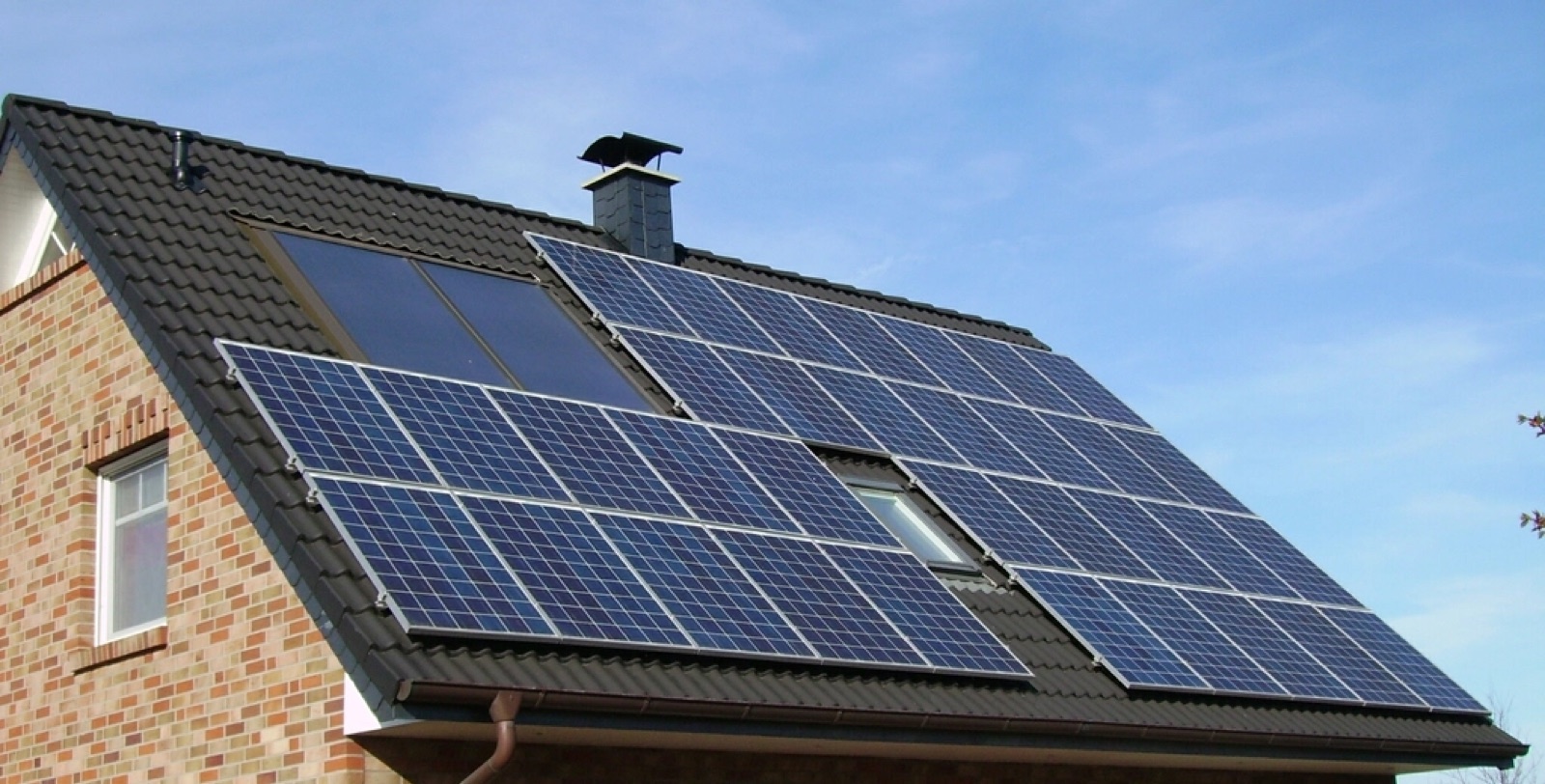
Renewable energy sources such as solar, wind and hydropower have seen rapid growth in recent years. Installing, maintaining and operating these technologies requires a varied workforce with specialised skills. Solar installers, wind turbine technicians and hydropower plant operators are just a few examples of the roles in demand within the renewable energy sector. As these industries expand, there is also a growing need for engineers, scientists and researchers to develop new technologies and improve performance.
Beyond renewable energy
Clean energy goes well beyond renewable energy generation. It covers a wide range of technologies that aim to reduce energy consumption and emissions. Electric vehicles, energy storage systems and smart grids are all driving the creation of new job opportunities. The manufacture of electric vehicles, the development of advanced battery technologies and the roll-out of smart grid infrastructure are just a few of the fields seeing considerable job growth.
Skills development and education
The clean energy transition demands a new set of skills. Traditional engineering and technical skills remain important, but there is a growing need for workers with expertise in areas such as energy efficiency, sustainability and data analysis. Educational institutions are adapting their curricula to meet these evolving needs, offering programs in renewable energy engineering, sustainable energy management and related fields. On-the-job training and certification programs are also becoming increasingly important for workers to gain the skills they need to succeed in the clean energy sector.
Economic benefits and regional development
The move to clean energy is not only creating new jobs but also driving economic growth and regional development. Investment in renewable energy projects can boost local economies by creating demand for goods and services, supporting small businesses and attracting new industries. The shift to clean energy can also help to lower energy costs for households and businesses, leading to increased economic activity.
Challenges and opportunities
While the clean energy industry offers considerable opportunities, there are also challenges to address. One of the key obstacles is the need for a skilled workforce. Making sure there is an adequate supply of workers with the necessary skills will be essential for the successful deployment of clean energy technologies. There is also a need for policies and investment to support the growth of the clean energy industry, such as tax incentives, research and development funding and grid modernisation.
In conclusion, the transition to a clean energy economy is reshaping the job market in profound ways. Renewable energy sources, electric vehicles, energy storage and smart grids are all driving the creation of new jobs and career opportunities. As countries continue to prioritise clean energy, demand for skilled workers in this field is expected to grow even further. By investing in education, training and research, we can make sure our workforce is well prepared to make the most of the economic benefits of the clean energy transition.