The climate crisis is a pressing global challenge that demands urgent and comprehensive solutions. While renewable energy sources such as solar and wind have gained substantial ground, energy efficiency offers another powerful way to slow climate change. By reducing energy consumption we can lower greenhouse gas emissions, conserve valuable resources and improve energy security.
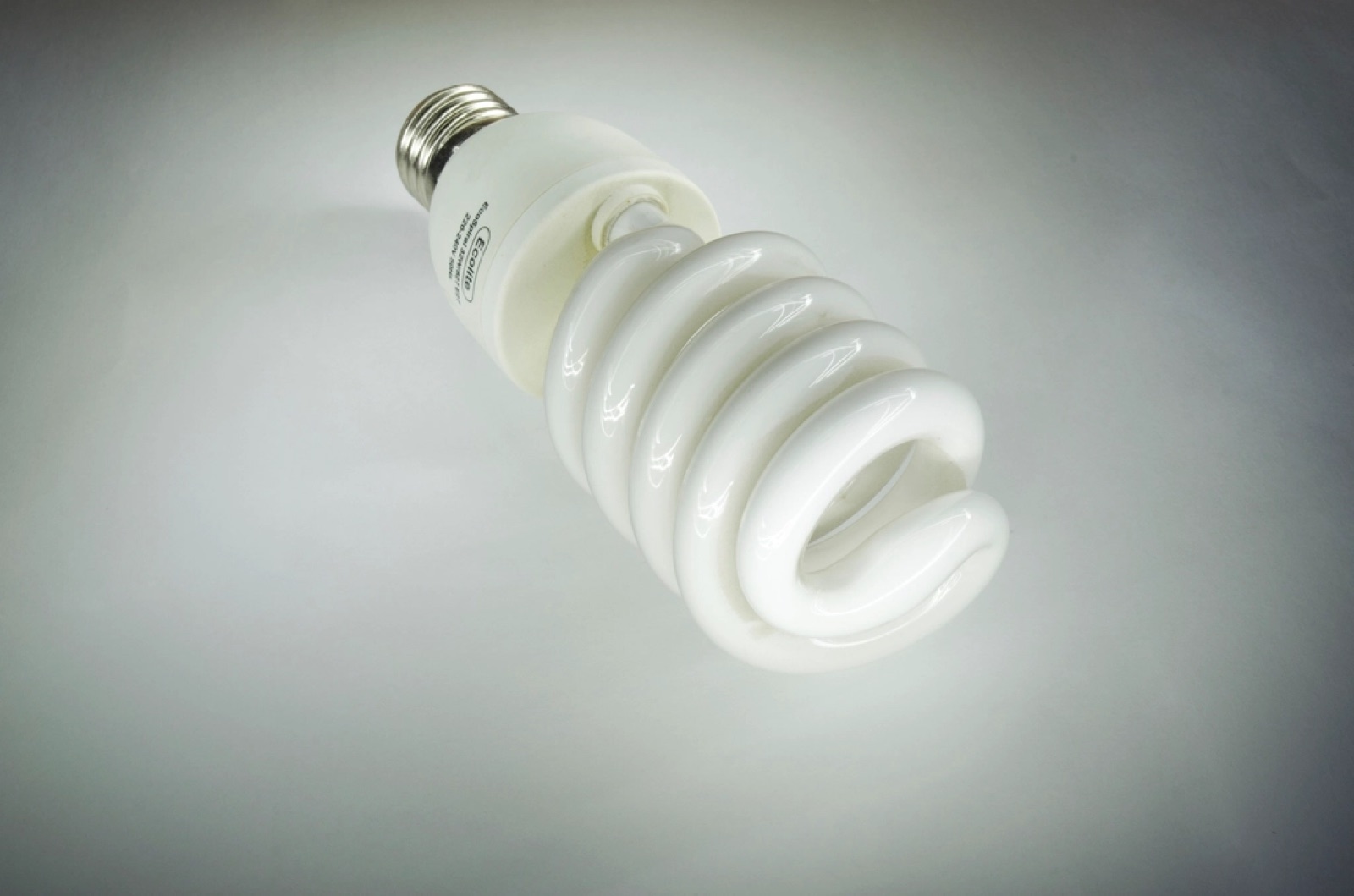
Energy efficiency means using energy in a way that minimises waste. It involves adopting practices and technologies that help us achieve more with less energy. This can be done in many ways, including improving building insulation, upgrading appliances to energy-efficient models, optimising transport systems and promoting sustainable habits of energy use.
One of the most significant benefits of energy efficiency is its ability to reduce greenhouse gas emissions. When we use less energy, we reduce the demand for fossil fuels, which are the main sources of carbon dioxide and other greenhouse gases. By reducing our dependence on fossil fuels, we can substantially slow climate change and its associated impacts, such as rising sea levels, extreme weather events and biodiversity loss.
Energy efficiency also offers a cost-effective answer to the climate crisis. Putting energy-efficient measures in place often involves upfront investment, but the long-term savings can be substantial. By reducing energy consumption, households and organisations can lower their energy bills, while governments can benefit from reduced energy subsidies. This financial advantage makes energy efficiency an attractive option for individuals and policymakers alike.
Alongside its environmental and economic benefits, energy efficiency can also improve energy security. By reducing our dependence on foreign energy sources, we become less vulnerable to geopolitical shocks and price fluctuations. Energy efficiency can help to diversify our energy mix and ensure a more reliable and resilient energy system.
Energy efficiency can also contribute to sustainable development. By using energy wisely, we can conserve valuable resources and protect ecosystems. This helps to ensure a fairer and more sustainable future for the generations ahead.
Realising the full potential of energy efficiency, however, requires a combined effort from individuals, organisations and governments. At the individual level, we can make a real difference by adopting energy-efficient habits such as using energy-efficient appliances, switching off lights when they are not in use and saving water. Organisations can play an important role too, by investing in energy-efficient technologies, carrying out energy audits and running energy management programs.
Governments can support energy efficiency through a range of policies and initiatives. These might include offering financial incentives for energy-efficient investments, drawing up building codes that promote energy efficiency, and investing in the research and development of energy-efficient technologies.
Energy efficiency is an essential part of the global effort to tackle climate change. By reducing energy consumption we can cut greenhouse gas emissions, save money, improve energy security and contribute to sustainable development. To realise the full potential of energy efficiency, we must adopt energy-efficient practices, invest in energy-efficient technologies and support government policies that promote energy efficiency. By working together, we can create a more sustainable and prosperous future for ourselves and for the generations to come.