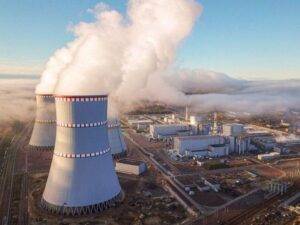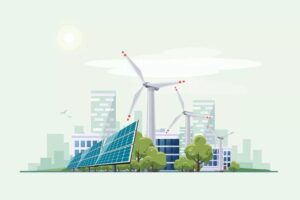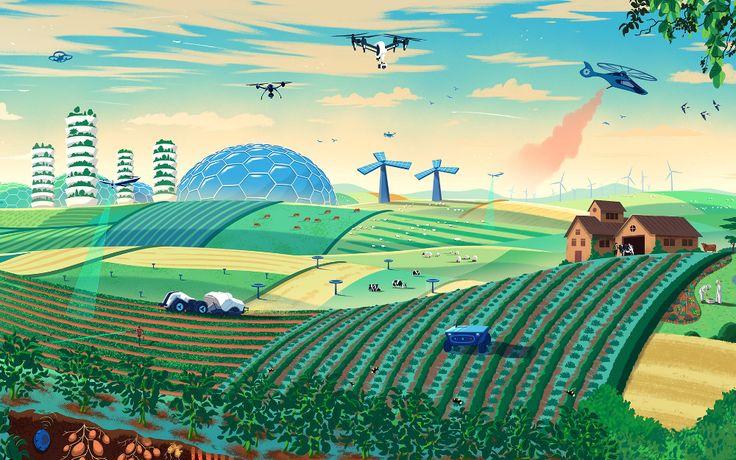
The global energy picture is changing significantly as countries move towards more sustainable and environmentally friendly sources of energy. This shift is driven by pressing concern over climate change, the need to reduce pollution, and the task of securing the energy needs of future generations. At the heart of this transformation are green and clean forms of power generation that can lead to a more sustainable and resilient energy system. In this article we look at what green energy is, its various types, why it matters, the benefits it brings, and how clean energy has developed over time.
What is green energy?
Green energy, also called renewable energy, is, as the name suggests, any energy that is naturally available and does not have much negative impact on the environment. It is distinct from conventional energy resources, best exemplified by fossil fuels, which release greenhouse gases such as carbon dioxide and other harmful compounds into the atmosphere. The specific forms of green energy are solar energy, wind energy, hydro energy, geothermal energy and bio energy.
Definition and types of green energy
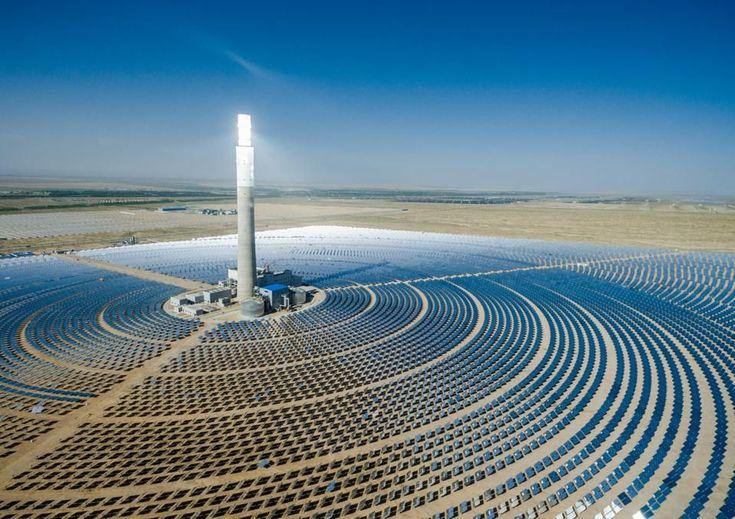
- Solar power. Solar energy captures the sun’s rays through photovoltaic cells or solar thermal systems. Photovoltaic systems convert sunlight directly into electricity, while solar thermal systems use sunlight to heat water or air for use in homes or industry.
- Wind power. Wind energy is a form of renewable energy that harnesses the movement of the wind through turbines. These can be sited onshore or offshore, and both are capable of generating huge amounts of electricity while causing little or no harm to the environment.
- Hydroelectric power. Hydro energy is generated from the kinetic energy of flowing water. Dams are built to manage the flow of water and to produce hydroelectric power. Green energy, in the broad sense, is any natural energy that produces electricity without harming the environment, and hydroelectric power is one of the oldest and most widely used forms of it.
- Geothermal energy. Geothermal energy is produced from the natural heat of the earth. It can be used directly for heating or to generate electricity. Most geothermal power stations are built in areas with strong heat sources, for instance around active volcanic regions.
- Biomass energy. Biomass energy is generated from biological material, such as animal and plant waste. Bio-energy of this kind can be used to produce biofuels, biogas and other kinds of green power. Biomass energy can be considered close to carbon-neutral, because the carbon dioxide released when biomass is burned was absorbed by the biomass while it was growing.
Advantages and significance of green energy
Going green matters for several reasons. First, it can limit the effects of climate change by reducing greenhouse gas emissions. The burning of fossil fuels is the largest source of carbon dioxide, a greenhouse gas, and using renewable energy sources greatly helps to bring carbon emissions down.
Second, green energy does not pollute the air and water, so it has a great impact in reducing pollution. Fossil fuels such as coal and natural gas emit greenhouse gases that are hazardous to the health of people and the planet. Non-renewable energy sources release large quantities of pollutants, adding to the pollution of air and water, whereas renewable sources emit little or none and are therefore eco-friendly.
Third, green energy improves energy security. Renewable energy sources are available in plenty and do not require much importing of fuel. This can help to keep energy costs stable and shield economies from the fluctuations of fossil fuel markets.
Finally, green energy supports economic development and employment. Renewable energy is a fast-growing sector that offers many opportunities for work and growth. Investment in green technologies also feeds directly into research and development, leading to better technologies and lower costs.
The evolution of clean energy
Historical perspective
The search for clean energy is not new. For centuries people have depended on renewable resources to meet their energy needs. Windmills and water wheels were used to grind grain and raise water, and early civilisations used the sun’s energy for cooking and heating. But the industrial revolution of the 18th and 19th centuries brought a turn to fossil fuels, because they were readily available and rich in concentrated energy.
Major stages in the development of clean energy
The early 20th century. The fundamentals of today’s solar cells can be traced back to the photovoltaic effect, first observed by Edmond Becquerel in 1839 and later understood through Albert Einstein’s 1905 work on the photoelectric effect. The first practical photovoltaic cell arrived in 1954, with the credit going to Bell Labs.
The 1970s energy crisis. The oil crises of the 1970s made governments and researchers look for other sources of energy. This period saw increased investment in solar, wind and geothermal power.
Renewable energy policies of the 1990s. During the 1990s many nations developed renewable energy policies and incentives. Germany’s EEG law, signed in 2000, provided subsidies and feed-in tariffs that led to a large increase in renewable energy generation.
21st-century innovations. The beginning of the 21st century has been marked by the development of new renewable energy technologies. Recent advances in solar power plants, wind turbine technology and batteries have made green energy cheaper to produce than traditional energy sources.
Conclusion
Renewable energy is clean energy, and it is vital to the future world we plan to live in. Drawing energy from the sun, the wind, water, the heat of the earth, and crops and organic waste can help to solve climate change, pollution and insecurity of supply, and support economic development. The progress made in clean energy technologies, from the earliest stages to what exists today, goes a long way towards proving that the world can be made cleaner and greener.